01
Content warningReal violent crimes; victims are named. Help: findahelpline.com. More
This page describes real violent crimes and names the victims. Victims come first; we leave out details that serve only sensationalism. Help: free helplines in your country at findahelpline.com; in an emergency call 112 (EU) or 911 (US).
Fritz Honka
born 1935, Leipzig (Saxony); the full name Friedrich Paul Honka and the exact date 31 Jul 1935 are given only by Wikipedia
A night watchman from Hamburg who between 1970 and 1975 killed four women aged 42 to 57 in his attic flat in Ottensen. He met them in pubs in St. Pauli, mainly in the bar Zum Goldenen Handschuh. They were poor, often homeless women who earned extra money through occasional prostitution. When they refused sex, he raped them or attempted to and strangled them. He dismembered three of the bodies and hid them in the flat and in the loft. Hardly anyone looked for the women, and the neighbours’ complaints about the smell led nowhere. The crimes came to light by chance on 17 Jul 1975, when firefighters searched his flat after a fire in the building. In December 1976 the Hamburg Regional Court found him guilty of one murder and three counts of manslaughter committed with diminished responsibility and sentenced him to 15 years with committal to a psychiatric hospital. He died in 1998.
- 4
- women killed, aged 42 to 57● Fact
- 1 + 3
- murder and three counts of manslaughter according to the judgment of December 1976● Fact
- 15
- years’ imprisonment with committal to a psychiatric hospital● Fact
- 4
- years passed between the first and the second victim● Fact
7Fact
5Disputed
3Theory
72 of 72claims have a source
28sources, 0 of them primary
02 / 15 / Timeline
From birth to the memorial stone for the victims
Events: 45 / 1935–2025
- 01
Life
1935–70 - 197019 Jan
Death of Bräuer’s fiancé
LifeGertraud Bräuer’s fiancé Burkhard Stern was beaten to death by a neighbour. Stated only by the Frauke Steinhäuser booklet, based on the police files. [4]
- 02
Crimes
1970 - 03
Capture, trial, sentence and aftermath
1971 - 04
Crimes
1972 - 05
Life
1974 - 06
Crimes
1974 - 07
Capture, trial, sentence and aftermath
1974 - 08
Crimes
1974–75 - 09
Capture, trial, sentence and aftermath
1975–25 - 17 Jul
Report on the Tagesschau
Capture, trial, sentence and aftermathARD’s main news programme reported the discovery. Stated by NDR Story, with a clip of the broadcast. [2]
- 27 Jul
Spiegel criticises the tabloids
Capture, trial, sentence and aftermathIn the article “Fleisch dran”, Der Spiegel described the invented details of the tabloid coverage. A spokesman for the criminal police denied that the police had announced a reconstruction at the crime scene. [5]
- 2015
NDR multimedia documentary
Capture, trial, sentence and aftermathNDR published a documentary with interviews with a firefighter, investigators, the landlord of the pub and the writer Heinz Strunk. [2]
- 6 Jul
Criticism of an escape game
Capture, trial, sentence and aftermathNDR criticised an escape game based on Honka’s crimes and the real locations. [14]
03 / 15 / Victims first
Named victims
Named victims: 4 / Survivors: 3
The list contains the four women for whose killing Honka was convicted in December 1976. All of them died in his flat in Ottensen. The victims’ biographies and dates of birth were compiled by the historian Frauke Steinhäuser from the investigation files; NDR takes them from her work. Anna Beuschel and Frieda Roblick survived Nazi concentration camps, to which the criminal police had sent them as “asocial”. In legal terms, the court assessed one killing as murder and three as manslaughter. Which victim the court regarded as the murder is disputed: Wikipedia and the Volksstimme give Gertraud Bräuer, web.de and Crime+Investigation give Anna Beuschel. Neither the text of the judgment nor a contemporary report on it was available. We do not give Ruth Schult’s age: NDR and other sources write of 52, while the date of birth in the Steinhäuser booklet gives 51.
Showing 4 of 4
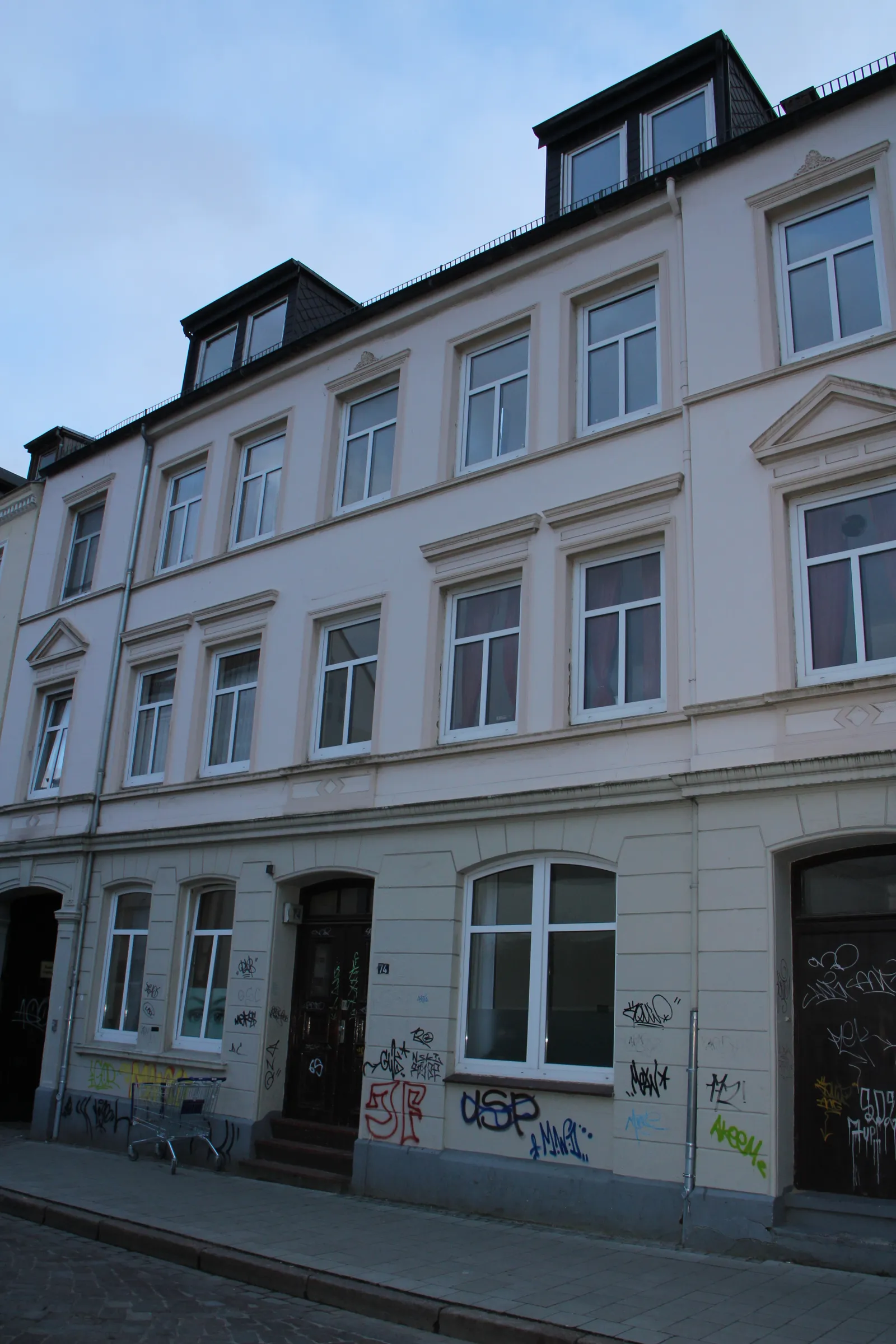
- Gertraud BräuerHonka’s flat, Zeißstraße 74, Hamburg-Ottensen; body parts found on 2 Nov 1971 near the building, Hamburg (Altona)December 1970 (NDR gives the beginning, the Steinhäuser booklet the end of the month)age 42
- Anna BeuschelHonka’s flat, Zeißstraße 74, Hamburg-Ottensen, Hamburg (Altona)October 1974 (Crime+Investigation and the English Wikipedia give August)age 54
- Frieda RoblickHonka’s flat, Zeißstraße 74, Hamburg-Ottensen, Hamburg (Altona)December 1974age 57
- Ruth SchultHonka’s flat, Zeißstraße 74, Hamburg-Ottensen, Hamburg (Altona)January 1975 (the month is given by the Steinhäuser booklet, the other sources give only the year)age unknown
By location
Hamburg (Altona)4
Victim profile
12 and under0
13–170
18–240
25 and over3
Women and girls: 4 / Men and boys: 0 (of 4 named)
Survivors
- Woman attacked in 1972Honka tried to rape her in the flat; she escaped and reported him. Because of his drunkenness the court convicted him only of bodily harm. The name Ruth Dufner and the date 15 Aug 1972 are given only by Wikipedia and Crime+Investigation
- Other women who escapedaccording to the investigator Karl Pries, several more women escaped from the flat; he gives no names; stated only by ZDF
- Anni Wachtmeister and Irmgard Albrechtaged 52 and 47; both lived with Honka and their identity cards were found in the flat, but they were not killed. Wachtmeister testified at the trial. Stated by NDR 2025; Wikipedia also gives Albrecht as his partner in 1972
Unconfirmed
In 1975 Bild speculated that the perpetrator had not taken a four-year break between the first and the second victim and hinted at further victims. There is no evidence for this. The identity cards of two other women found in the flat belonged to women who were alive. Honka himself admitted three killings and at first did not own up to the first victim from 1970; only FILMSTARTS and Crime+Investigation write of four confessed killings.
04 / 15 / Offender’s pattern
What recurred
Honka left no messages or signature. His pattern consists of choosing lonely women in pubs in St. Pauli, the flat where he took them to drink, strangulation after a refusal of sex and hiding the remains inside the building itself. Each item is marked as a documented fact, a disputed point or a theory.
Traits: 7
02
A roof and drink
● FactHe took the women to his attic flat at Zeißstraße 74 and drank with them. Some stayed with him for days or weeks, Anna Beuschel from early September to October 1974, Ruth Schult for about two weeks. According to NDR and the Steinhäuser booklet, he believed that as prostitutes the women had to be sexually available to him at any time. [3] [4] [9]
03
Trigger: refusal
● Fact04
Strangulation
● Fact05
Remains in the building
● Fact06
Air freshener blocks
● Fact07
“Lost my nerve”
◐ DisputedAt trial he claimed that he did not remember the killings and spoke of having lost his nerve. The court and the experts assessed his state as diminished responsibility. [7] [8] [9]
That Jack the Ripper ordered him to kill is stated only by Wikipedia and Crime+Investigation; it is a statement by the defendant, not a finding of the court.
05 / 15 / Modus operandi
How the behaviour evolved
Phases: 3
1935-1970
Before the crimes
Childhood in Leipzig and in children’s homes, flight from the GDR, work on farms and in the port of Hamburg, two marriages and alcohol.
- 1935: born in Leipzig
- 1951: fled to the West at 16
- 1956: Hamburg, work in the port
- marriage, a son, two divorces from the same woman
- tried for attempted rape, convicted only of bodily harm
1970-1975 / Hamburg-Ottensen
Crimes
In four years he killed four women in his flat. The police found the head of the first victim as early as 1971, but did not identify the perpetrator.
- December 1970: Gertraud Bräuer
- November 1971: body parts found near the building
- October 1974: Anna Beuschel
- December 1974: Frieda Roblick
- January 1975: Ruth Schult
1975-1998
Capture, trial, psychiatry
Exposed by chance during a fire in the building, convicted of one murder and three counts of manslaughter, released in the 1990s and lived under another name on the Baltic coast.
- 17 Jul 1975: fire and arrest
- 29 Jul 1975: full confession
- 20 Dec 1976: judgment
- 1993 or 1996: release, Peter Jensen in Scharbeutz
- 19 Oct 1998: death in the psychiatric ward
06 / 15 / Crime scenes
Where and in what order
Places: 7
map of crime scenes (points by date and place) / add from coordinates
- 01Leipzig, children’s homes1935-1951
- 02Farms in western Germany1951-1956
- 03Hamburg, the portfrom 1956
- 04Attic flat at Zeißstraße 74, Hamburg-Ottensenuntil 1975
- 05Ochsenzoll psychiatric hospital, Hamburg-Langenhorn1976-1993/1996
- 06Care home for the elderly, Scharbeutz on the Baltic coast1990s
- 07Ochsenzoll, Hamburg1998
07 / 15 / Investigation
How he was caught
Steps: 8
01 / 2 Nov 1971
Find near the building
While burning junk near the building, a worker found parcels with remains. A forensic pathologist reconstructed the victim’s face. [1] [3] [19]
02 / 1971
A victim without a perpetrator
According to ARD and NDR, the police identified the victim as Gertraud B. but found no lead to the perpetrator. According to ZDF, the remains were linked to Honka only in 1975. [3] [9] [19]
03 / 1974-1975
Smell in the building
The neighbours called the caretaker and the police. The smell was blamed on foreign tenants and the flat was never searched. [1] [2] [9]
04 / 17 Jul 1975
Fire
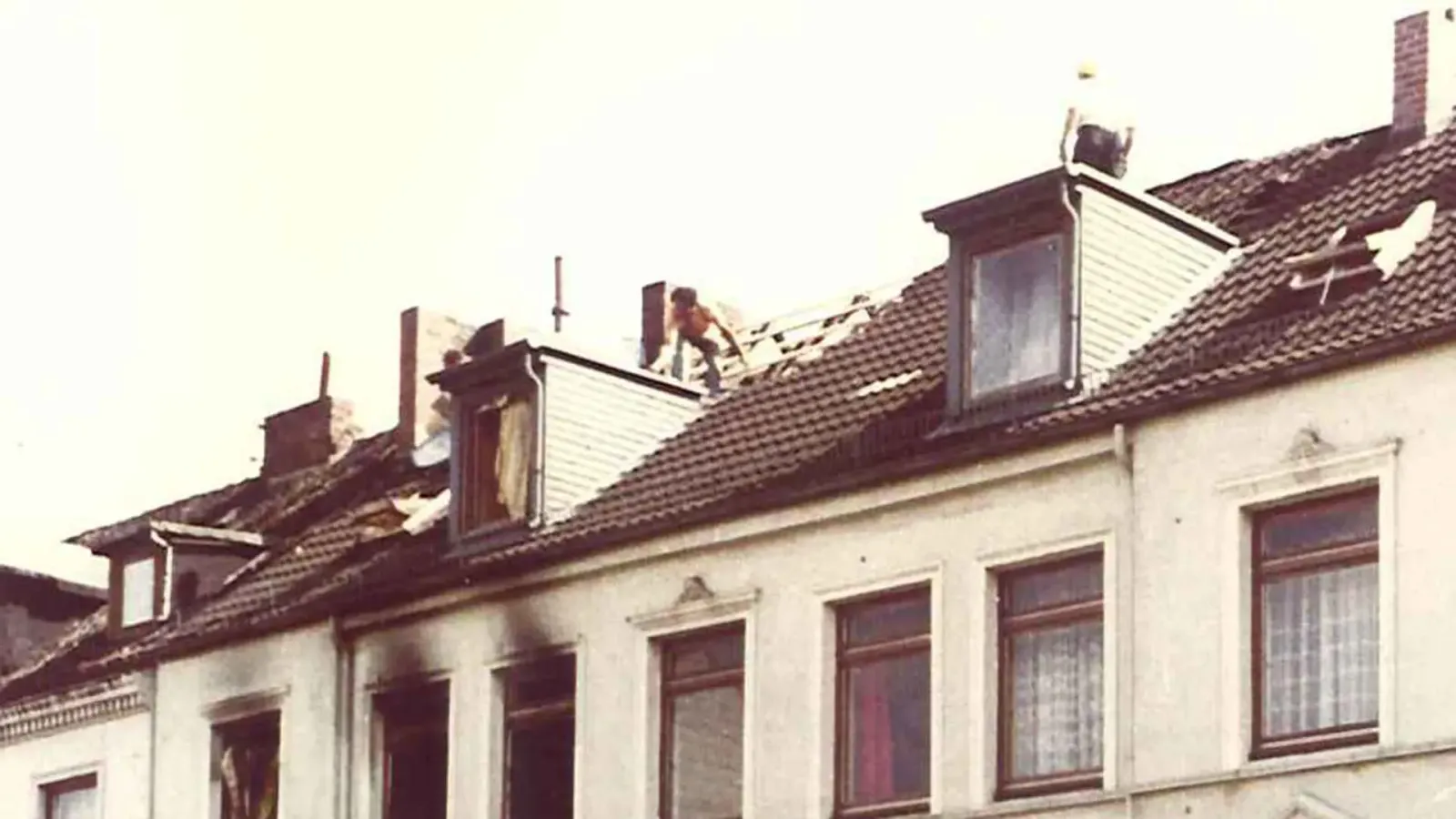
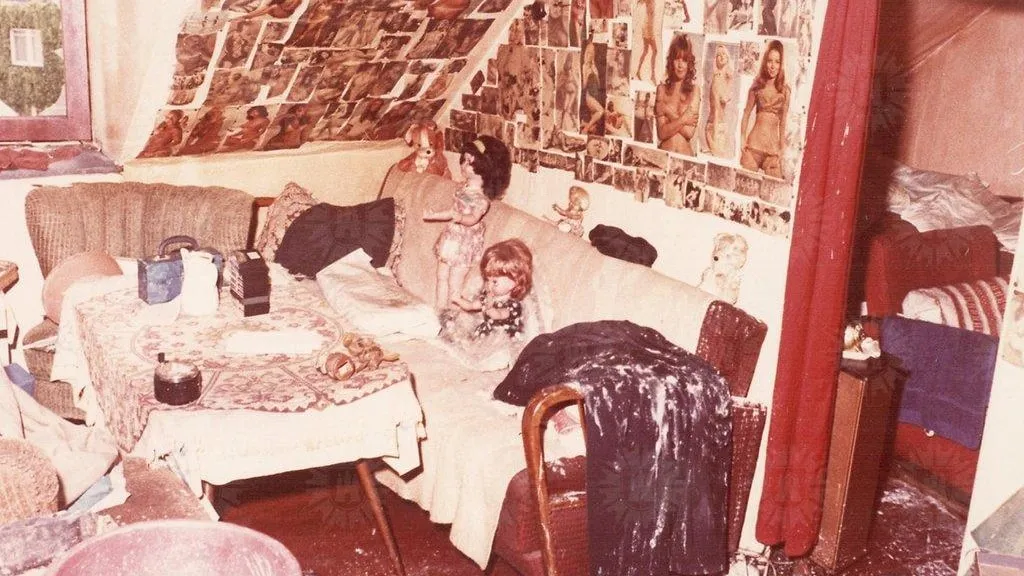
Firefighters also searched Honka’s flat for sources of the fire and found sacks with remains. Detectives then tore out floorboards and walls and found further remains in recesses under the roof. [1] [2] [9]
05 / 17 Jul 1975
Arrest on the spot
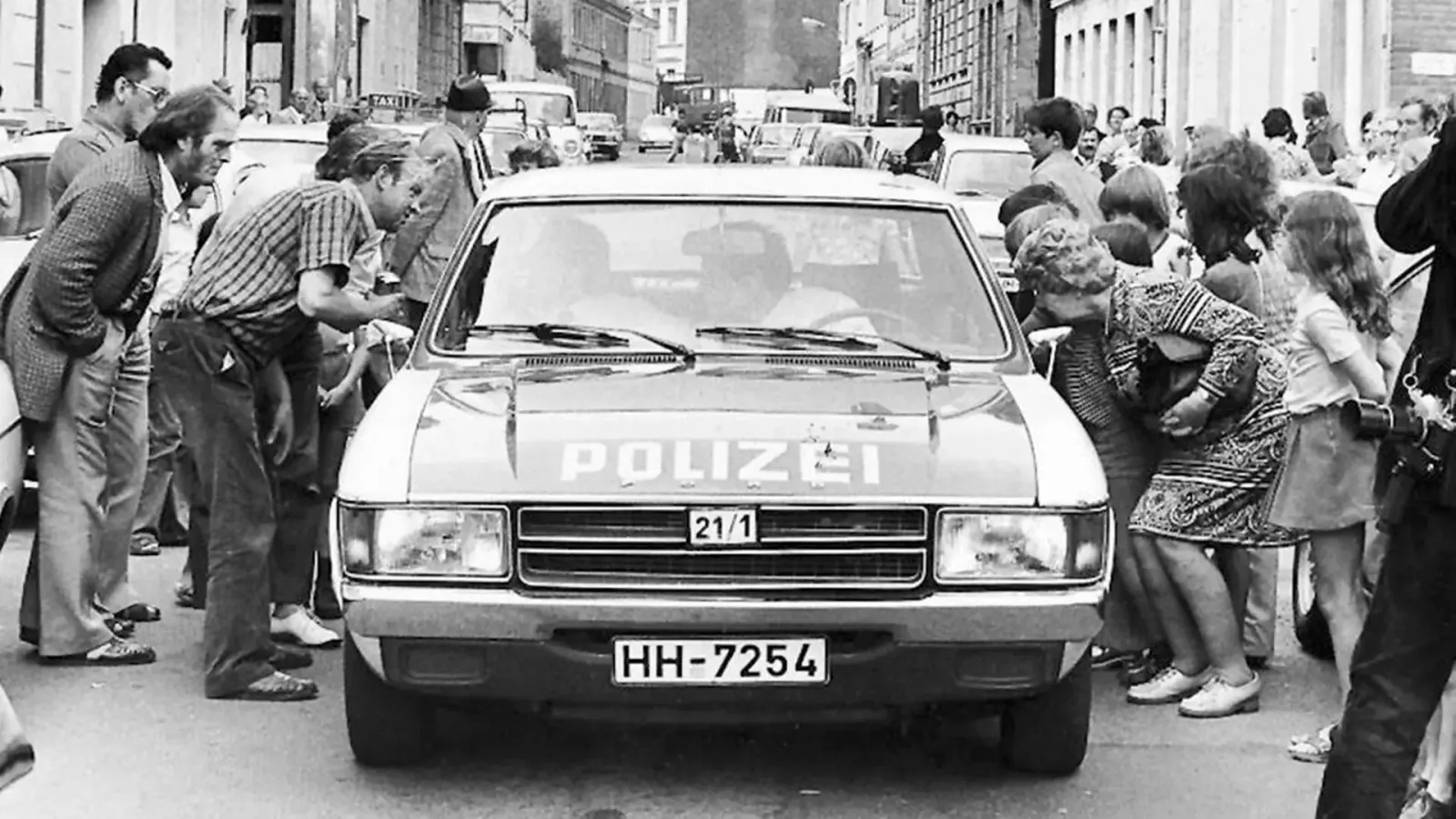
Honka returned from his night shift straight into the hands of the investigators. According to Pries, he claimed to know nothing about the bodies. [1] [2] [9]
06 / 17 Jul 1975
Interrogation
During hours of questioning at police headquarters he admitted three killings. He did not know the victims’ names. [1] [2] [4] [9]
What went wrong
- The 1971 findFrom November 1971, body parts of the first victim lay near Honka’s building. According to NDR, the police found no lead to the perpetrator.
- Complaints about the smellThe neighbours repeatedly complained to the caretaker and to the police. The smell was blamed on foreign tenants and no one searched the flat.
- No one looked for the womenOnly Anna Beuschel’s husband reported a victim missing. The health office searched for Ruth Schult only because she had missed a compulsory medical examination.
- “Asocial elements”The police report referred to the victims as “asocial elements”. The 2025 Steinhäuser booklet sees in this a continuity with the Nazi labelling of women, two of whom had survived concentration camps.
Impact on forensics and law
- Invisible victimsThe case became an example of how women on the margins of society vanished without anyone looking for them. Only since 2025 has a memorial stone in the Garden of Women at Ohlsdorf Cemetery commemorated them.
- No change in the rulesThe Steinhäuser booklet points out that the 1953 law on combating venereal diseases allowed compulsory examinations of prostitutes. The sources read give no specific change in police practice or in the law as a result of the case.
- Pop cultureA song from 1975, Heinz Strunk’s novel and Fatih Akin’s film turned Honka into a pop culture figure. In 2025 NDR criticised an escape game based on his crimes.
08 / 15 / People in the case
Witnesses, investigators, relatives
People: 16
Presiding judge
Reimer Hadenfeldt
Presided over the jury court of the Hamburg Regional Court. Spiegel wrote of his matter-of-factness.
Defence counsel
Rolf Bossi
Munich lawyer. He announced his tactic in advance as “acquittal and an institution, or 15 years and an institution” and proposed appointing a second expert.
Expert
Prof. Krause
Hamburg psychiatrist, gave a preliminary finding of diminished responsibility.
Expert
Prof. Elisabeth Müller-Luckmann
Forensic psychologist from TU Braunschweig, appointed at the request of the defence.
Investigator
Karl Pries
Homicide squad, arrested Honka on the spot. In 2025 he spoke about the case to ZDF.
Investigator
Jürgen Vierle
Homicide squad, was present at the arrest. Stated by NDR.
Accomplices: none. The Steinhäuser booklet states that a woman who lived with Honka was to bring women to him on his instructions, and Spiegel quotes the tabloids on a “decoy”. None of the sources read states that anyone else was charged.
09 / 15 / Trial and sentence
From the first trial to death in the psychiatric hospital
Proceedings: 4
1975 / Altona
The 1972 attack
For the attempted rape of a woman who escaped from his flat, he was convicted only of bodily harm because of his drunkenness. The date 4 Apr 1975 and the fine of 4,500 marks are given only by Wikipedia. [1] [2] [27]
Fine
11 or 12 Nov to 20 Dec 1976 / Hamburg Regional Court
Main trial
The jury court was presided over by Reimer Hadenfeldt, the defence was conducted by Rolf Bossi. Honka retracted his confession and claimed that he did not remember the killings. The experts Prof. Krause and Prof. Müller-Luckmann assessed his criminal responsibility. The prosecution sought a life sentence, as stated by web.de and Crime+Investigation. [3] [7] [8] [9] [16]
Proceedings
20 Dec 1976 / Hamburg Regional Court
Judgment
The court found him guilty of one murder and three counts of manslaughter committed with diminished responsibility. It imposed an aggregate sentence of 15 years’ imprisonment and committal to a psychiatric hospital. Sources differ on which victim was assessed as the murder. The sources read do not mention an appeal. [1] [2] [9] [11] [17]
15 years and psychiatric committal
1976-1993/1996 / Ochsenzoll
Serving the sentence
He served his sentence in the Ochsenzoll psychiatric hospital in Hamburg-Langenhorn. According to dpa and ZDF, he was released in 1993; according to NDR, only officially in 1996 after periods of leave and a conditional release. [1] [2] [9] [11] [15]
Released
New name
After his release he officially took the name Peter Jensen and lived in a care home for the elderly in Scharbeutz on the Baltic coast, where no one knew his past. Confused and feeling persecuted, he returned to the psychiatric hospital.
Death
He died on 19 Oct 1998 in the psychiatric ward of Ochsenzoll hospital in Hamburg at the age of 63. NDR and ZDF give heart failure and asthma, FILMSTARTS and the Volksstimme the effects of alcohol and nicotine.
Graves
Frieda Roblick and Ruth Schult were buried at Öjendorf Cemetery; their graves have been cleared. The sources read do not say where Gertraud Bräuer, Anna Beuschel and Honka himself are buried.
The pub
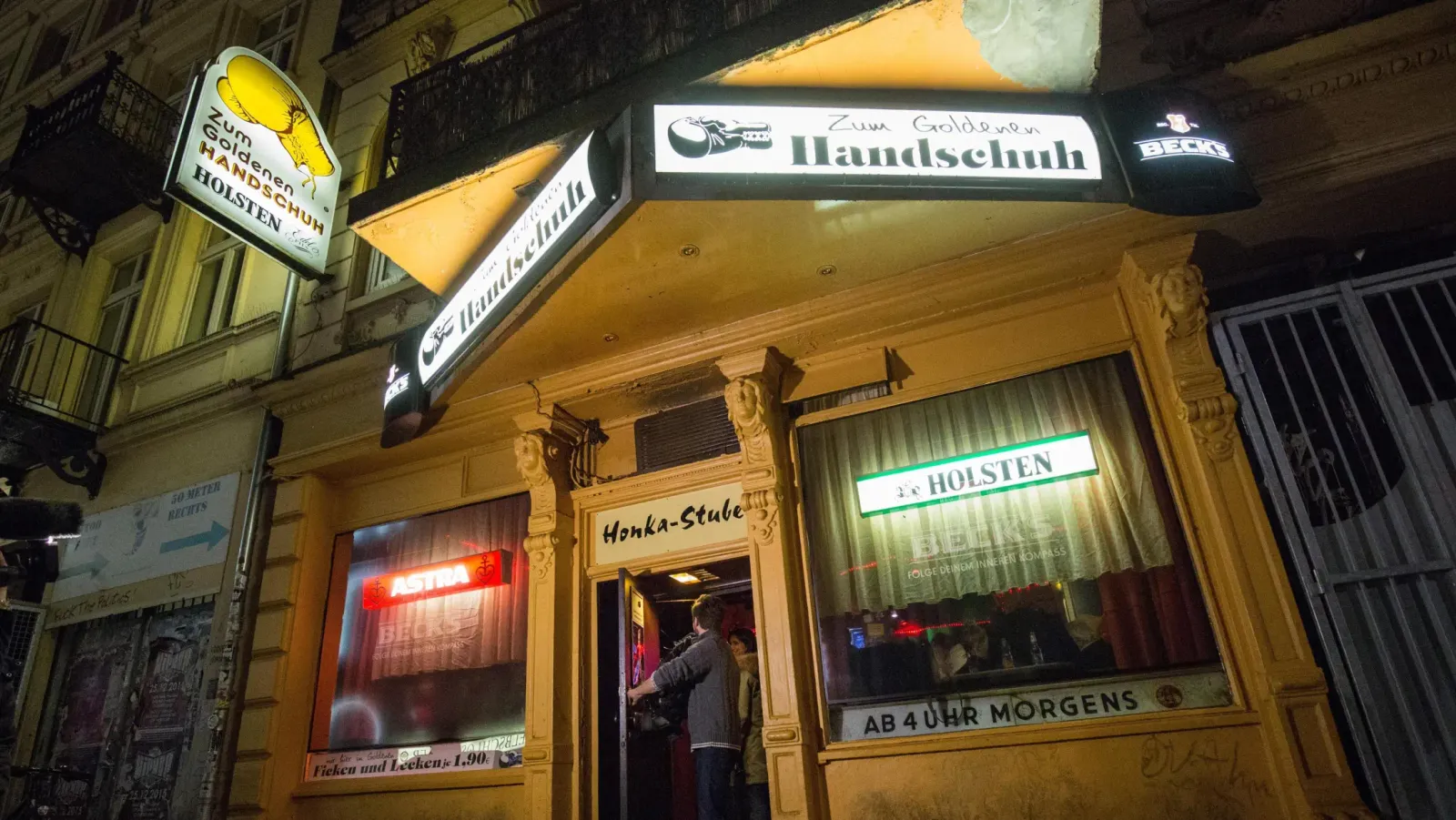
In 2016 the Tagesspiegel saw the sign “Honka-Stube” above the entrance of the pub Zum Goldenen Handschuh on Hamburger Berg.
Bereaved
We do not give the current place of residence or employment of the relatives of the victims or of the perpetrator.
10 / 15 / Psychology and myths
What is documented and what is not
Items: 8 / each labelled Fact, Disputed or Theory
He cut up four women
◐ DisputedThe tabloids wrote of four dismembered women. According to Spiegel’s court report, he cut up three bodies and hid Anna Beuschel in the loft intact. [5] [8] [26]
Which victim was the murder
◐ DisputedWikipedia and the Volksstimme state that the court assessed the killing of Gertraud Bräuer as murder. Web.de and Crime+Investigation write of Anna Beuschel. Neither the judgment nor a report on it was available; the question remains open. [25] [27] [16] [26]
“Honka-Stube”
● FactThat the pub Zum Goldenen Handschuh has been called “Honka-Stube” ever since is confirmed by NDR and by the Tagesspiegel, which saw the sign above the entrance. [1] [2] [23]
A uniform like an SS man
◐ DisputedBild wrote of riding breeches, boots and a cap; Spiegel quotes this as tabloid material. The Steinhäuser booklet mentions a black watchman’s uniform that may have evoked associations with the SS. He did wear the uniform; the interpretation about the SS comes from the tabloids. [5] [4]
He chose toothless women
○ TheorySpiegel ridiculed the 1975 tabloid claims about toothless victims and the perpetrator’s giant hands as an invention. They are not documented. [5]
Further victims
○ TheoryBild speculated about further victims. In 2025 NDR stated that there is no evidence and that the identity cards of two other women from the flat belonged to living women. [5] [3]
The motive with Roblick
◐ DisputedFILMSTARTS and Wikipedia write that Frieda Roblick stole 200 marks from him. NDR and the Steinhäuser booklet give the refusal of sex. [17] [27] [3] [4]
Jack the Ripper
○ TheoryThat Jack the Ripper ordered him to kill is stated only by Wikipedia and Crime+Investigation. It is his own statement, not a finding of the court. [27] [26]
11 / 15 / Books and films
Treatments of the case
The label is an editorial rating: Recommended means a balanced treatment with verifiable sources; With caution means the work gives the perpetrator a platform or opts for a simplified version.
Song / 1975With caution
Gern hab' ich die Frau'n gesägt
Harry Horror, a murder ballad about the killer set to the tune of a schlager hit, played in discotheques.
Documentary / 2001Source
Die großen Kriminalfälle: Der Frauenmörder von St. Pauli
ARD, 45 minutes.
Documentary / 2015Recommended
Fritz Honka: Der Frauenmörder von St. Pauli
NDR multimedia documentary with interviews with a firefighter, investigators, the landlord of the pub and Heinz Strunk.
Book / 2016With caution
Der goldene Handschuh
Novel by Heinz Strunk (Rowohlt), nominated for the Leipzig Book Fair Prize. Fiction, not non-fiction.
12 / 15 Photos and documents
Photos and documents12
Photos and documents from readers. We publish them after review; you see your own uploads straight away, marked Pending review.
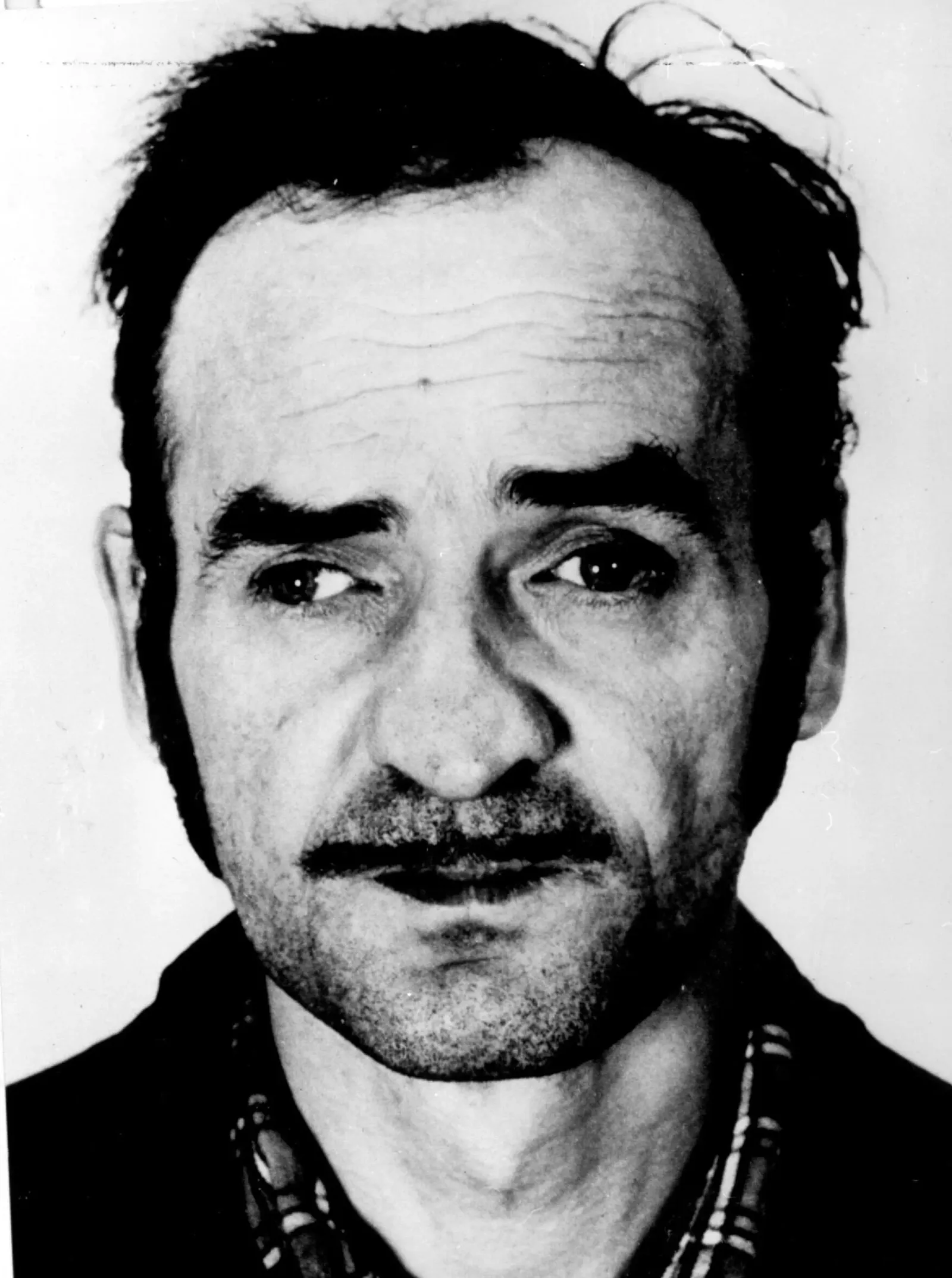
About this image
- Original title
- fritz-honka-dobovy-portret-1976.webp
- Author
- Frm / picture alliance / dpa přes AZ-Online
- Source
- az-online.de
- Licence
- © All rights reserved
- Changes
- resized, converted to AVIF and WebP, metadata removed
Archive black-and-white portrait of Fritz Honka from 1976.
Frm / picture alliance / dpa přes AZ-Online / © All rights reserved / az-online.de
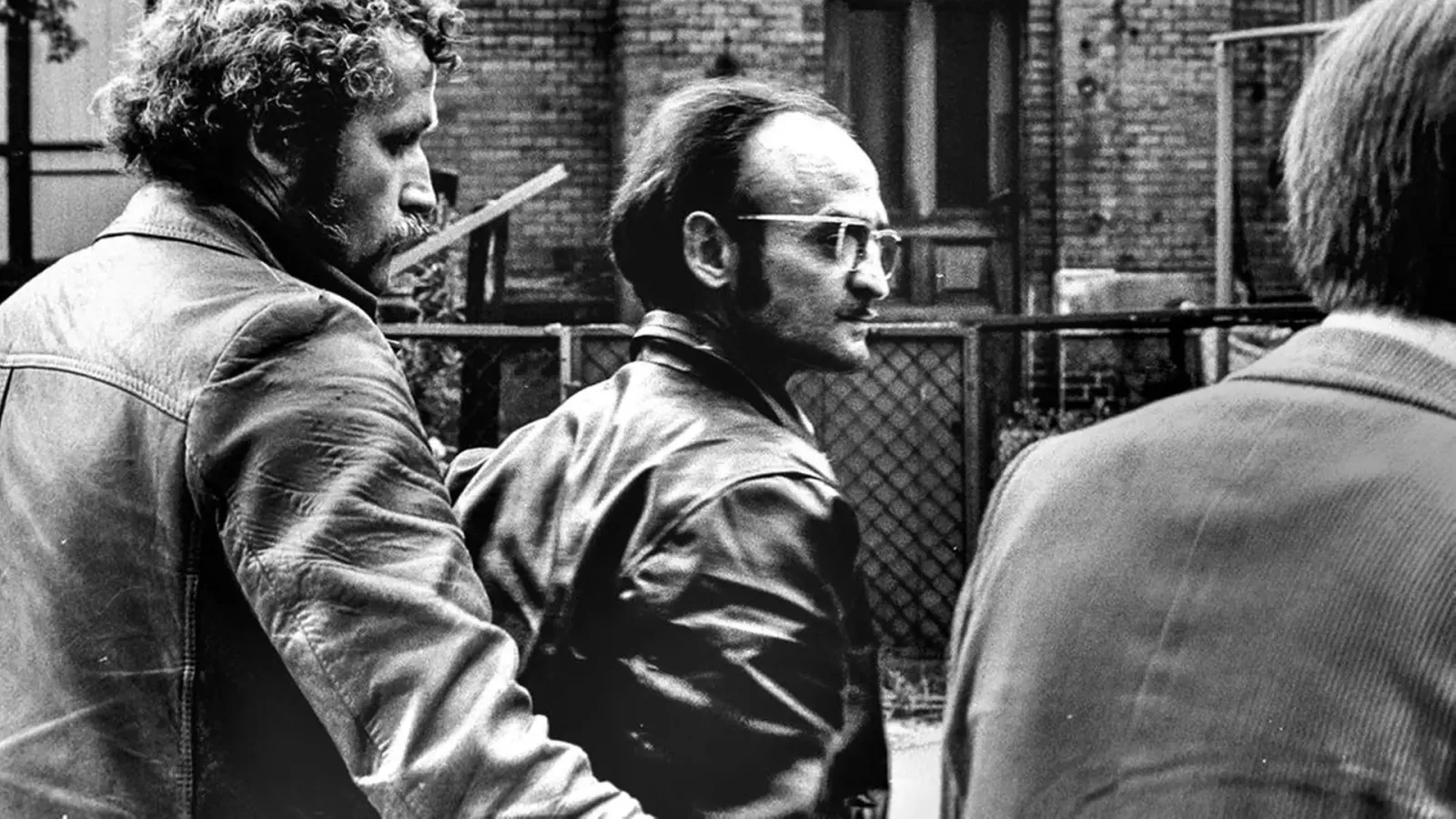
About this image
- Original title
- fritz-honka-eskorta-pred-justicni-budovou.webp
- Author
- Ullstein Bild / NDR
- Source
- ndr.de
- Licence
- © All rights reserved
- Changes
- resized, converted to AVIF and WebP, metadata removed
Detectives lead Fritz Honka to the court building in Hamburg.
Ullstein Bild / NDR / © All rights reserved / ndr.de
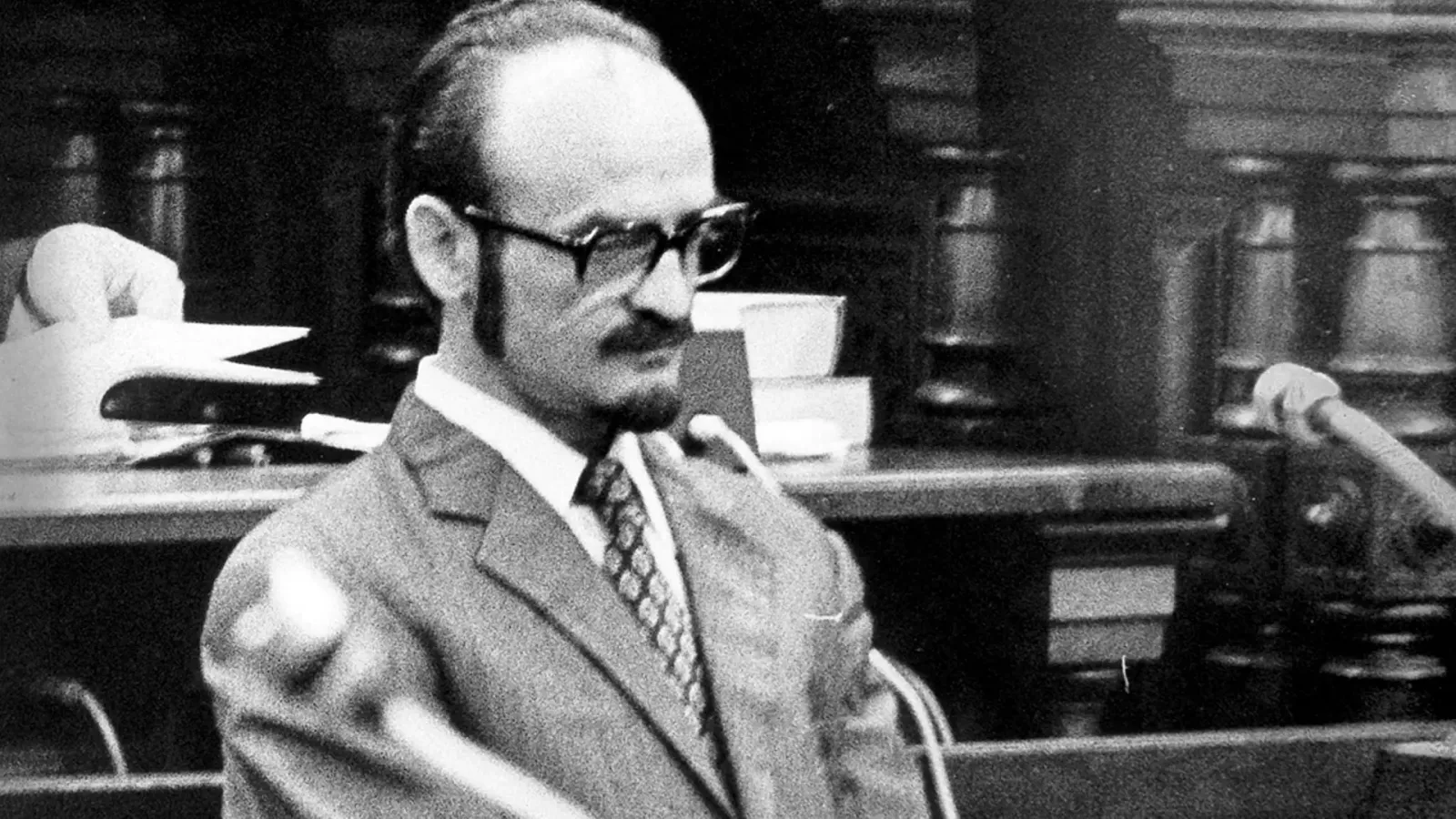
About this image
- Original title
- fritz-honka-u-soudu-1976.webp
- Author
- Heidtmann / dpa-Bildfunk přes NDR
- Source
- ndr.de
- Licence
- © All rights reserved
- Changes
- resized, converted to AVIF and WebP, metadata removed
Fritz Honka in the dock at the Hamburg court, 16 November 1976.
Heidtmann / dpa-Bildfunk přes NDR / © All rights reserved / ndr.de
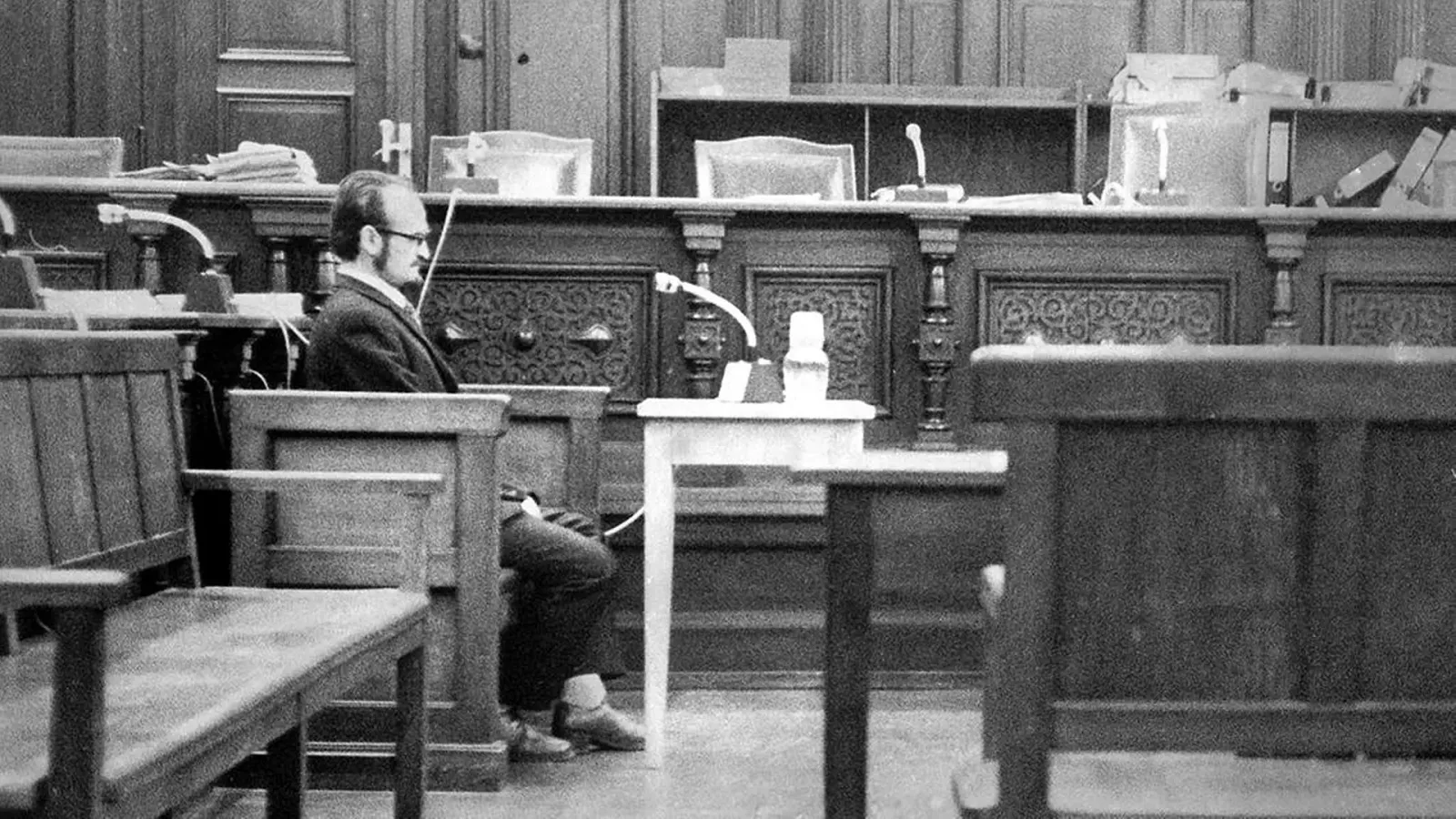
About this image
- Original title
- fritz-honka-tribunal-hamburk-1976.webp
- Author
- picture alliance / dpa přes NDR
- Source
- ndr.de
- Licence
- © All rights reserved
- Changes
- resized, converted to AVIF and WebP, metadata removed
Fritz Honka in a wide courtroom shot from Hamburg in November 1976.
picture alliance / dpa přes NDR / © All rights reserved / ndr.de
About this image
- Original title
- fritz-honka-archivni-barevny-cely-portret.webp
- Author
- Getty Images / Ullstein / NDR
- Source
- ndr.de
- Licence
- © All rights reserved
- Changes
- resized, converted to AVIF and WebP, metadata removed
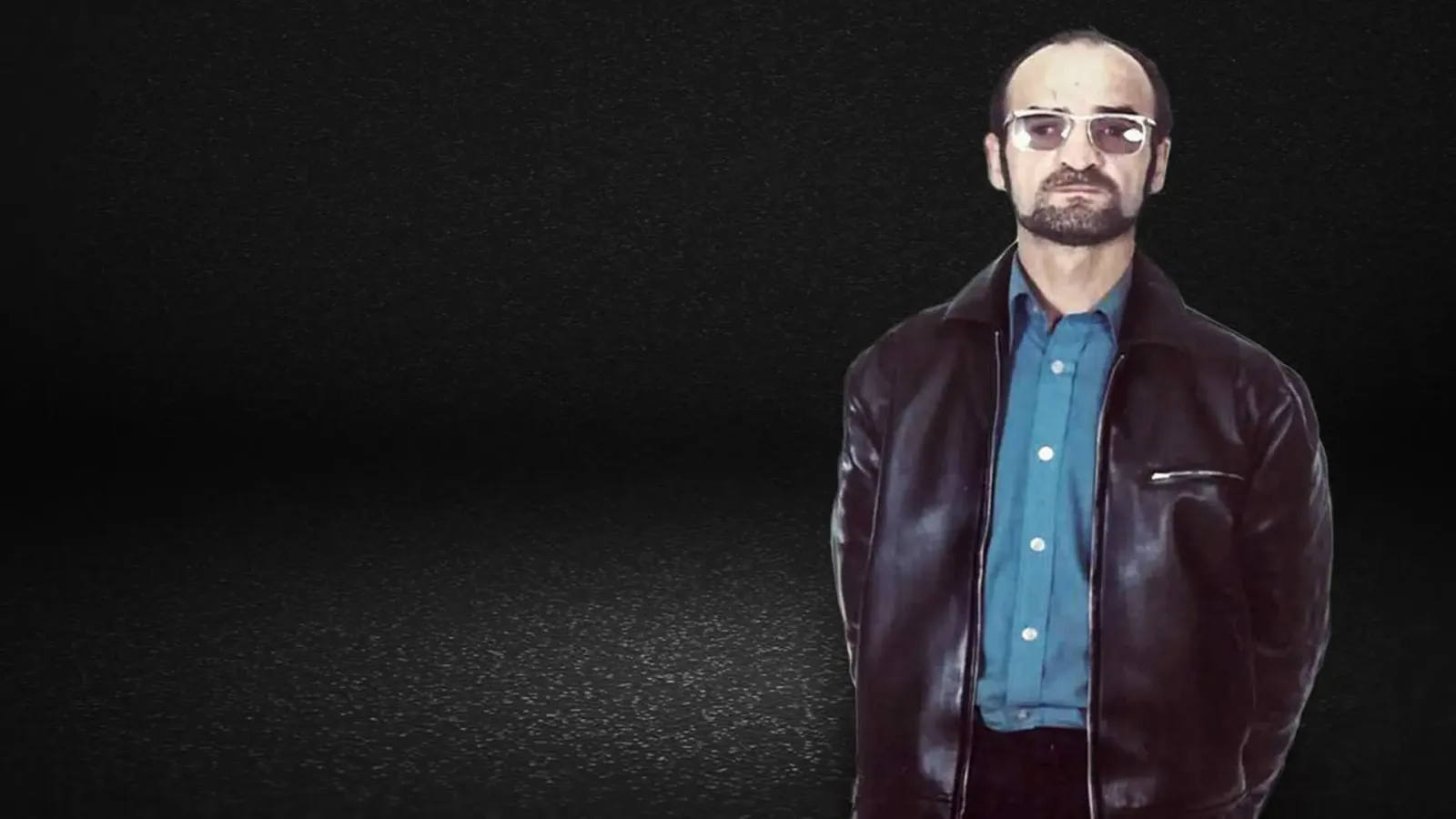
Colour archive full-length portrait of Fritz Honka.
Getty Images / Ullstein / NDR / © All rights reserved / ndr.de
About this image
- Original title
- fritz-honka-policie-pri-zatceni-1975.webp
- Author
- NDR, archivní záběr k zatčení
- Source
- ndr.de
- Licence
- © All rights reserved
- Changes
- resized, converted to AVIF and WebP, metadata removed
A crowd by a police car during the arrest of Fritz Honka in Hamburg in July 1975.
NDR, archivní záběr k zatčení / © All rights reserved / ndr.de
About this image
- Original title
- fritz-honka-zeissstrasse-po-pozaru-1975.webp
- Author
- Polizeimuseum Hamburg / NDR
- Source
- ndr.de
- Licence
- © All rights reserved
- Changes
- resized, converted to AVIF and WebP, metadata removed
The house in Zeißstraße, Hamburg, after the fire in 1975.
Polizeimuseum Hamburg / NDR / © All rights reserved / ndr.de
About this image
- Original title
- fritz-honka-dobovy-interier-podkrovi.jpg
- Author
- Polizei Hamburg přes Focus
- Source
- focus.de
- Licence
- © All rights reserved
- Changes
- resized, converted to AVIF and WebP, metadata removed
Archive view into Honka's attic flat, released by the Hamburg police.
Polizei Hamburg přes Focus / © All rights reserved / focus.de
About this image
- Original title
- fritz-honka-prihlasovaci-karta-1956.webp
- Author
- Jannis Wiepcke / AZ-Online
- Source
- az-online.de
- Licence
- © All rights reserved
- Changes
- resized, converted to AVIF and WebP, metadata removed
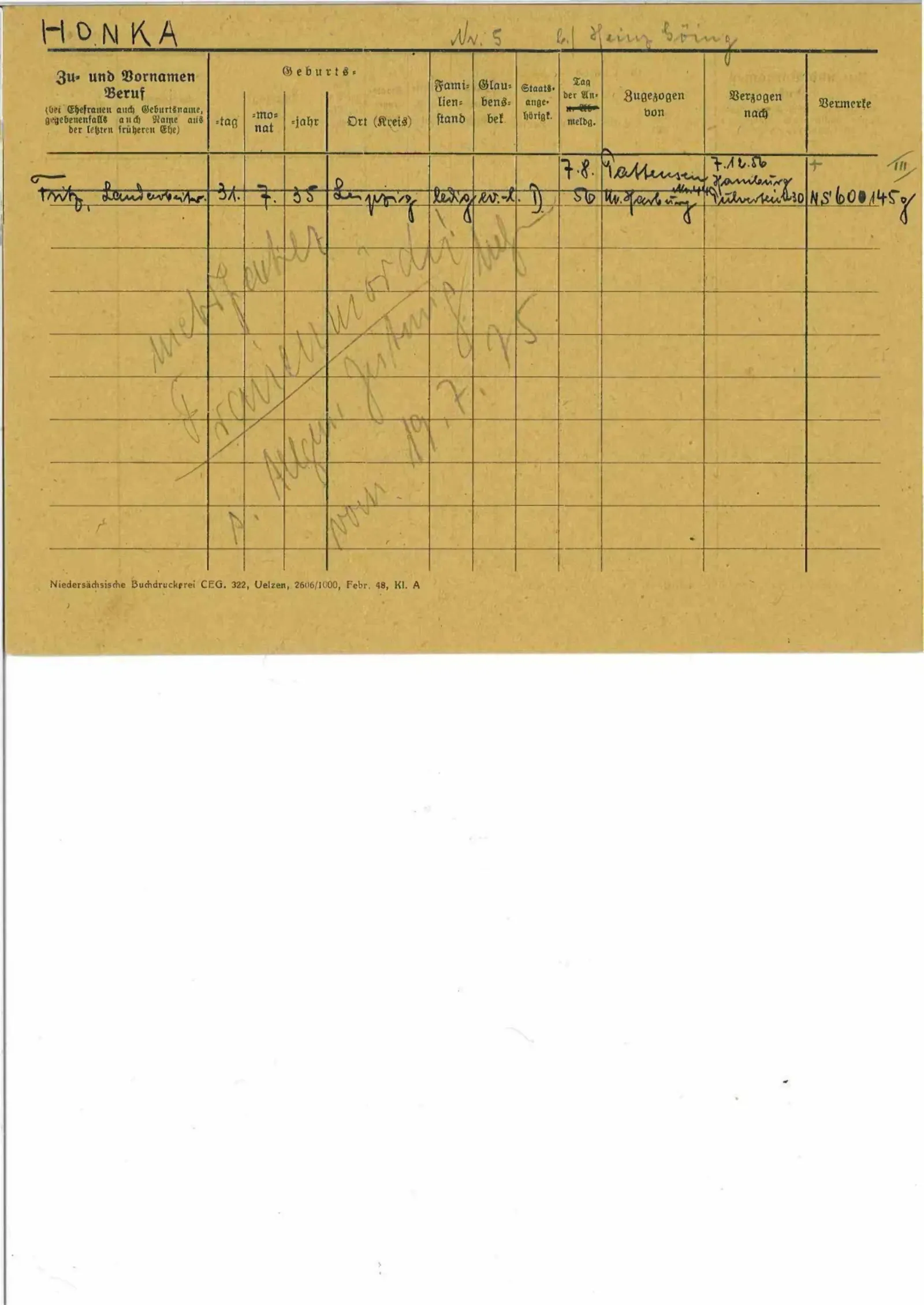
Reproduction of the registration card for Fritz Honka's move to Hamburg in 1956.
Jannis Wiepcke / AZ-Online / © All rights reserved / az-online.de
About this image
- Original title
- 1194Wohnhaus Fritz Honka.JPG
- Author
- Udo Grimberg
- Source
- commons.wikimedia.org
- Licence
- CC BY-SA 3.0 DE
- Changes
- resized, converted to AVIF and WebP, metadata removed
Fritz Honka's former home in Hamburg in a photograph from 2011.
Udo Grimberg / CC BY-SA 3.0 DE / commons.wikimedia.org
About this image
- Original title
- Zum Goldenen Handschuh (49669976608).jpg
- Author
- hds
- Source
- commons.wikimedia.org
- Licence
- CC BY 2.0
- Changes
- resized, converted to AVIF and WebP, metadata removed
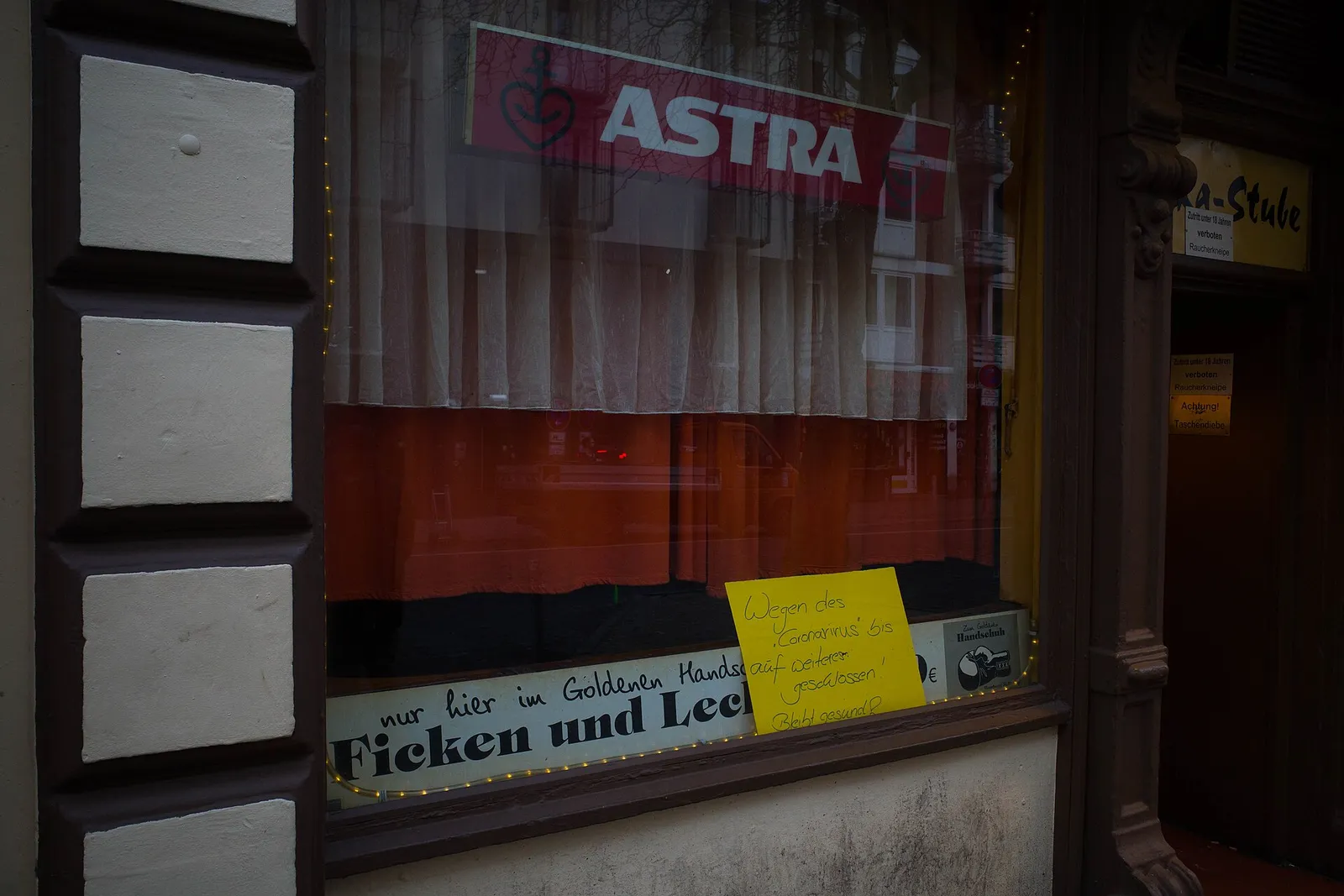
The Hamburg bar Zum Goldenen Handschuh in a photograph from 2020.
hds / CC BY 2.0 / commons.wikimedia.org
About this image
- Original title
- fritz-honka-zum-goldenen-handschuh-2016.webp
- Author
- Christian Charisius / picture alliance / dpa přes AZ-Online
- Source
- az-online.de
- Licence
- © All rights reserved
- Changes
- resized, converted to AVIF and WebP, metadata removed
The bar Zum Goldenen Handschuh in Hamburg in February 2016.
Christian Charisius / picture alliance / dpa přes AZ-Online / © All rights reserved / az-online.de
13 / 15 / Open questions
What is still missing
- Which of the four victims the court assessed as murder and why: Wikipedia and the Volksstimme give Gertraud Bräuer, web.de and Crime+Investigation Anna Beuschel. The text of the judgment from the Hamburg State Archives or the Die Zeit article 53/1976 “Bossis Erfolg” would settle it, but neither was available.
- The exact date the trial began: 11 Nov 1976 (NDR) or 12 Nov 1976 (ZDF).
- When he was released: in 1993 (dpa, ZDF), or officially in 1996 (NDR), or possibly on a trial basis in 1993 and definitively in 1996.
- Why Anna Beuschel’s husband reported her missing in late August 1974 when Honka met her only in early September.
- Whether Gertraud Bräuer was identified as early as 1971 (ARD, NDR) or only in 1975 (ZDF).
- Ruth Schult’s age: 52 (NDR, web.de, FILMSTARTS), or 51 according to the date of birth 7 Jul 1923 in the Steinhäuser booklet.
- Who the woman was who brought Bräuer to the flat (Wikipedia names Annie Wachtmeister), and where Gertraud Bräuer, Anna Beuschel and Honka himself are buried.
- The sources read do not give the name of the public prosecutor or of the firm for which Honka worked as a watchman (Wikipedia names Shell).
Not yet covered: comparison.
14 / 15 / Citations
Sources
A number in square brackets next to a claim refers to an item in this list. A claim without a number has no source assigned yet. Details may vary between sources; disputed and theoretical items are marked.
28Sources in total
- Primary0
- Secondary8
- Media20
Checked: 17 Nov 2026. Research in one round, 28 sources read: NDR (photo gallery, the 2015 multimedia documentary and the 2025 article on the victims), the booklet by the historian Frauke Steinhäuser based on the investigation files in the Hamburg State Archives, Der Spiegel 1975 and 1976 including two court reports, ZDF 2025, dpa, taz and others. The two NDR pages from 2015 count as one source, and the NDR article on the victims takes its information from the Steinhäuser booklet, so for the victims’ biographies they do not count as two independent sources. Wikipedia is only a guide; information found only there is marked in the text. Crime+Investigation contains errors and serves only to document discrepancies. Code DE-1970-FH: Germany (at the time of the crimes the Federal Republic of Germany), year of the first victim (December 1970), initials Fritz Honka. In this English version the victims’ names are given in their original form. Unavailable: the text of the judgment of 20 Dec 1976, the Die Zeit articles from 1975 and 1976, the Hamburger Abendblatt and the Morgenpost. Before publication, verify against the judgment which victim was the murder, and the year of release.
- [1]NDR Geschichte (photo gallery), Missbraucht, getötet, zerstückelt: Fritz Honka ermordete vier Frauen. ndr.de / cited 33×media
- [2]NDR Story (multimedia documentary, 2015), Fritz Honka - Der Frauenmörder von St. Pauli. story.ndr.de / cited 29×media
- [3]NDR Geschichte (Jochen Lambernd, May 2025), Fritz Honkas Opfer: Wie lebten die Frauen vor den Morden? ndr.de / cited 26×media
- [4]Garten der Frauen e. V. (Frauke Steinhäuser, booklet, 2025, PDF version of 2026), Getötet, weil sie Frauen waren. Gertraud Bräuer, Anna Beuschel, Frieda Roblick, Ruth Schult. Erinnerungsstein im Garten der Frauen. garten-der-frauen.de / cited 21×secondary
- [5]Der Spiegel 31/1975 (27 Jul 1975), Fleisch dran. spiegel.de / cited 6×media
- [6]Der Spiegel (19 Oct 1975), Schallplatten: Hit über Honka. spiegel.de / cited 1×media
- [7]Der Spiegel 47/1976 (14 Nov 1976), »Ich hab' keine Erinnerung davon«. spiegel.de / cited 9×media
- [8]Der Spiegel 48/1976 (21 Nov 1976), »Und dann hab' ich die Nerven verloren«. spiegel.de / cited 7×media
15 / 15 / Revision history
Revision history
Every edit to this page is logged. Corrections sent in by readers are applied only after the editors check them against sources.
- Published
- Updated
- Edits
- 1
- Page published