01
Content warningReal violent crimes; victims are named. Help: findahelpline.com. More
This page describes real violent crimes and names the victims. Victims come first; we leave out details that serve only sensationalism. Help: free helplines in your country at findahelpline.com; in an emergency call 112 (EU) or 911 (US).
Pedro López
Pedro Alonso López, born 8 Oct 1948, Tolima department, Colombia (the place varies between sources)
A Colombian offender whom the press calls the Monster of the Andes. As a child he lived on the streets of Bogotá, and in prison there after 1969 he killed fellow inmates. In the late 1970s he raped and murdered little girls from poor families, mainly in Ecuador, also in El Espinal in Colombia and, by his own account, in Peru. In March 1980 market traders in Ambato detained him as he tried to lead a girl away from the market. He confessed to 110 murders in Ecuador and led police to dozens of graves. He was convicted of 57 murders and sentenced to 16 years, the maximum sentence Ecuador then had. In 1994 he was deported to Colombia, where he was declared legally insane. In 1998 he was released on bail from a psychiatric facility. Since 1999 there has been no reliable trace of him and it is not certain whether he is alive. The media credit him with more than 300 victims, a number that comes from his own words.
- 57
- murders of girls for which he was convicted in Ecuador● Fact
- 16
- years, the maximum sentence Ecuadorian law then allowed; sentences were not added together● Fact
- 11
- children from El Espinal in the Colombian charges; the file burned in 1991● Fact
- 1999
- year of the last reliable trace, missing since then● Fact
5Fact
6Disputed
3Theory
73 of 73claims have a source
38sources, 0 of them primary
02 / 16 / Timeline
From birth to disappearance
Events: 46 / 1948–2026
- 01
Life
1948–69 - 1967
Petty offences
LifeSeveral months in various prisons for petty offences are mentioned only by Semana. [8]
- 02
Crimes
1969-1971 - 03
Life
1973–78 - 04
Crimes
1978–80 - 05
Capture, trial and aftermath
1980–26 - 10 Mar
Official statement
Capture, trial and aftermathA statement to the criminal police in Tungurahua and a confession to about 200 murders in Ecuador are mentioned only by Semana. [8]
- 199222 Mar
Prison interview
Capture, trial and aftermathThe journalist Ron Laytner spoke with him in prison. According to the article, López said of himself that he was “the man of the century”. [20]
- 199412 Mar
Report of early release
Capture, trial and aftermathAFP reported from Quito that 599 days had been remitted for good behaviour. In an interview López claimed he had only been an accomplice of another man. [1]
- June
Alarm in Ecuador
Capture, trial and aftermathAccording to El Tiempo he was reportedly seen in northern Ecuador; this was not confirmed. It is a single source. [5]
- 199922 Sep
Last trace
Capture, trial and aftermathAccording to El Tiempo he collected a new identity card in Bogotá. It is the last official record of him. [7]
- 30 Oct
BBC
Capture, trial and aftermathThe BBC included him among the world’s worst killers. [21]
- 20025 May
Wanted
Capture, trial and aftermathThe weekly Semana wrote that the authorities were looking for him in Colombia. [8]
- 2005
Cancelled identity card
Capture, trial and aftermathAccording to El Tiempo his identity card was cancelled after fingerprinting of a dead body, but the body was never publicly identified. Only El Tiempo reports this. [7]
- 9 Jun
Debate on insanity
Capture, trial and aftermathEl Tiempo cited his case in a debate on the punishment of sexual crimes and on insanity. [6]
- 201415 Feb
Roses in February
Capture, trial and aftermathIvanova Jácome Garzón’s father, Carlos Jácome, brings roses to his daughter’s grave in Ambato every February. [11]
- 201524 May
Report from Ambato
Capture, trial and aftermathEl Telégrafo spoke with the bereaved. It wrote that the traces of the crimes in Ambato still hurt. [10]
- 2023
Casefile podcast
Capture, trial and aftermathThe Australian podcast devoted the episode Monster of the Andes to the case, with a list of sources. [35]
03 / 16 / Victims first
Named victims
Named victims: 2 / Survivors: 2
In Ecuador López was convicted of 57 murders of girls, but open sources do not give the names of these victims and the Ecuadorian judgment could not be traced. The list therefore contains only two girls whose names are documented by at least two sources. Flor Alba Sánchez Ospina from El Espinal is the only case for which he stood before a court in Colombia. Ivanova Jácome Garzón from Ambato is his last victim according to Ecuadorian media; the sources do not say explicitly whether she was among the 57 murders of which he was convicted. The day of her disappearance varies, so we give the day she was found. The other victims are described below: dozens of girls found in Ecuador, eleven children from the Colombian charges and two or three fellow inmates he killed in prison in Bogotá.
Showing 2 of 2
- Flor Alba Sánchez OspinaEl Espinal; body found after about 20 days, Tolima, ColombiaDecember 1979 (14 Dec given only by El Telégrafo)age 12
- Ivanova Jácome GarzónAmbato, plot of land in Totoras, Tungurahua, Ecuador15 Feb 1980 (found; disappeared 10 Jan or 14 Feb 1980, sources differ)age 9
By location
Tolima, Colombia1
Tungurahua, Ecuador1
Victim profile
12 and under2
13–170
18–240
25 and over0
Women and girls: 2 / Men and boys: 0 (of 2 named)
Survivors
- María Povedaa girl from the market by Plaza Urbina in Ambato, age varies (10 or 12); in March 1980 he tried to lead her away, her mother Carlina Ramón Poveda screamed and the market women held him. AFP writes of a six-year-old girl, apparently the same incident
- Girl from Ayacuchoa nine-year-old Indigenous girl in Peru whom he tried to lead away in 1978; the community caught him. Sources do not give her name
Unconfirmed
According to sources, 53 to 74 bodies of girls were found in Ecuador, the number varies by source, and the names are not in open sources. In Atocha park in Ambato, formerly a ravine, at least fifteen bodies lay according to his statement quoted by El Telégrafo. In Colombia he was charged with the deaths of eleven children from El Espinal, but the file burned in 1991. The names of two boys, both seven years old, are given only by El Tiempo in 1994: Diógenes Capera Leal and Jhon Jairo Arias Suárez. In La Modelo prison in Bogotá he killed two or three fellow inmates, whose names could not be traced. About a hundred murders of girls in Peru are documented only by his confession. The figure of more than 300 victims in Colombia, Ecuador and Peru comes from his own words and has not been verified by a court. According to El Tiempo, Interpol searched for him in 2002 over the murder of a girl in El Espinal; sources do not give her name. Only a television programme linked him to the murder of a twelve-year-old girl in Tunja in 2012; the Fiscalía was looking for other perpetrators.
04 / 16 / Offender’s pattern
What recurred
López left no messages or letters. His pattern consists of choosing victims at markets, luring them with trinkets, strangulation and graves near the crime scene. Much of the description comes from his own statements and interviews. Each item states whether it is a documented fact, a disputed point or a theory.
Traits: 8
02
Vendor with trinkets
● Fact03
Watching the victims
◐ Disputed04
Manual strangulation
● Fact05
Graves near the crime scene
● Fact06
Returning to the graves
◐ Disputed07
Showing the graves himself
● Fact08
Messenger of God
○ Theory05 / 16 / Modus operandi
How the behaviour evolved
Phases: 3
1948-1978
Before the murders of girls
A childhood in poverty in Tolima, life on the streets of Bogotá and his first prison term.
- 1948: born in Tolima department
- about 1957: his mother throws him out, he lives on the streets of Bogotá
- 1969: convicted of car theft, kills fellow inmates in La Modelo prison
- 1978: after his release goes, by his own account, to Peru
about 1978-1980 / Peru, Ecuador, Colombia
Murders of girls
For a long time the authorities attributed the disappearances of girls to child traffickers.
- 1978: murders in Ayacucho by his confession, deported from Peru
- 1978 to 1980: disappearances of girls in Ecuador
- December 1979: murder of Flor Alba Sánchez Ospina in El Espinal
- 15 Feb 1980: Ivanova Jácome Garzón found in Ambato
- March 1980: detained at the market in Ambato
From March 1980
Sentence, release, disappearance
Sixteen years in Ecuador, insanity in Colombia and no trace since 1999.
- 1980: leads police to dozens of graves
- 1981: pleads guilty to 57 murders, sentence of 16 years
- 31 Aug 1994: released and deported to Colombia
- February 1998: released from a psychiatric facility
- 1999: last trace, missing to this day
06 / 16 / Crime scenes
Where and in what order
Places: 8
map of crime scenes (points by date and place) / add from coordinates
- 01El Espinal (Tolima), childhood1948-1957
- 02Bogotá, the streets and La Modelo prison1957-1978
- 03Ayacucho (Peru), by his confession1978
- 04El Espinal (Tolima)1979
- 05Ambato (Tungurahua) and other provinces of Ecuador1978-1980
- 06Prison in Ambato and García Moreno in Quito1980-1994
- 07El Espinal and a psychiatric facility in Colombia1994-1998
- 08Bogotá, last trace1999
07 / 16 / Investigation
How he was caught
Steps: 8
01 / 1978-1980
Suspected child trafficking
Police in Ecuador, Colombia and Peru attributed the disappearances of girls to a network of child traffickers and to brothels. [8] [23] [4]
02 / early March 1980
Flood near Ambato
A swollen river uncovered the bodies of girls. The number and the exact date vary between sources. [8] [23] [18] [20]
03 / March 1980
Detained at the market
At the market by Plaza Urbina he tried to lead a girl away. Her mother and the market women held him and handed him over to the police. [1] [10] [20] [29]
04 / March 1980
Confession in the cell
For several days he said nothing. The confession was drawn out of him by a police officer who, according to some sources, posed as a priest, according to others as a fellow inmate. [23] [29] [20] [18]
05 / 10 Mar 1980
Statement
According to Semana, he confessed to the criminal police in Tungurahua to about 200 murders in Ecuador, among others in the provinces of Pichincha, Chimborazo, Azuay and Los Ríos. It is a single source. [8]
06 / March to April 1980
Leading police to graves
For several weeks he took police to graves, and more than 50 bodies were found. He did not remember other sites. [1] [4] [8] [7]
07 / 1980
Psychological assessment
According to El Telégrafo, an assessment by the criminology institute of the Central University in Quito confirmed a tendency to paedophilia and psychopathy. Only this source reports it. [12]
What went wrong
- The 16-year ceilingEcuadorian law then had no sentence higher than 16 years and sentences were not added together. For 57 murders he served about 14 years.
- Deportation from PeruAccording to sources, after detaining him in Ayacucho the Peruvian authorities merely deported him and did not investigate the deaths of Indigenous girls.
- File in flamesA fire at the courthouse in El Espinal in 1991 destroyed the file on eleven children. As a result, the proceedings in 1994 concerned only one murder.
- Insanity and bailColombia declared him legally insane and in 1998 released him on bail with an obligation to report. He did not comply and disappeared. Sources give different amounts for the bail, 80,000 pesos or 50 dollars.
- DocumentsAccording to El Tiempo he travelled with another man’s identity card, and in 2005 his card was cancelled as that of a dead person without the body being publicly identified. Both details are reported only by El Tiempo.
Impact on forensics and law
- Higher sentence in EcuadorAccording to Biography.com, Ecuador later raised the maximum sentence to 25 years. AFP in 1994 gives 25 years so far only for drug offences.
- An argument in ColombiaEl Tiempo in 2012 cited his case in a debate on the punishment of sexual crimes against children and on the insanity of offenders.
08 / 16 / People in the case
Witnesses, investigators, relatives
People: 11
Mother
Benilda López
A washerwoman in El Espinal. In 1994 she asked the authorities not to release her son.
Bereaved
Alba Sánchez
Mother of Flor Alba Sánchez Ospina. In September 1994 she filed a criminal complaint again.
Bereaved
Carlos Jácome and Luz Garzón
Parents of Ivanova Jácome Garzón. Every year her father brings roses to her grave in Ambato.
Witness to the capture
Carlina Ramón Poveda
Mother of the girl from the market in Ambato, who called for help in March 1980. Some sources spell the name Carvina.
Investigator
Pastor Córdova Gudiño
According to sources the police officer who obtained the confession from López; according to some disguised as a priest, according to others planted as a fellow inmate. The spelling of the name varies (Córdova, Córdoba).
Investigator
Telmo Tamayo
Police major, led the questioning on 10 Mar 1980 in Tungurahua. Mentioned only by Semana.
Accomplices: none are documented. In 1994, according to AFP, López claimed he had only been an accomplice of another man; no source supports this.
09 / 16 / Trial and sentence
From Bogotá to release from psychiatric care
Proceedings: 5
1969 / Bogotá
Car theft
Convicted of car theft and sentenced to seven years, which he served in La Modelo prison. According to El Tiempo in 2021 his sentence was extended by two years for killing fellow inmates; El Tiempo in 2012 writes of release after two years. [6] [7] [28]
7 years in prison
1980-1981 / Ambato, Ecuador
The Ecuadorian trial
He was charged with 110 murders and on 31 Jul 1981 pleaded guilty to 57. He received 16 years, the maximum sentence; sentences were not added together. El Tiempo in 1998 writes of 15 years, Semana of 30 years and a charge of 200 murders. Sources do not give the judge’s name. [29] [35] [1] [4] [7] [23]
16 years, the maximum sentence
1980-1994 / Ambato and Quito
Serving the sentence
He was held in prison in Ambato and then in García Moreno prison in Quito. According to AFP, 599 days were remitted for good behaviour. He was released on 31 Aug 1994 and deported to Colombia. [20] [17] [1] [29] [35] [16]
Released and deported
September 1994 / El Espinal, Colombia
Murder of Flor Alba Sánchez Ospina
The prosecutor Fernando Vanegas questioned him over the murder of December 1979, and López denied guilt. The court declared him legally insane and ordered his placement in a psychiatric facility. Only Semana states that the court in El Espinal found him responsible. [3] [6] [7] [23] [8]
Insane, psychiatric facility
February 1998 / Colombia
Release from psychiatric care
After an assessment that found him cured, he was released on bail with an obligation to report regularly. He did not comply. [6] [29] [7] [23]
Released on bail
Whereabouts unknown
There has been no reliable trace of him since 1999. No source establishes whether he is alive. The media keep asking where he is and have no answer.
Last record
According to El Tiempo, on 22 Sep 1999 he collected a new identity card in Bogotá. In 2005 the card was cancelled after fingerprinting of a dead body, yet the registry still lists the number as valid. Both details are reported only by El Tiempo.
Search
Colombia searched for him through Interpol: according to El Tiempo from October 2002, according to Semana as early as 1998. Whether the search is still active could not be verified.
10 / 16 / Psychology and myths
What is documented and what is not
Items: 6 / each labelled Fact, Disputed or Theory
The world’s worst killer with 300 victims
◐ DisputedThe figure of more than 300 comes from his own words. He was convicted of 57 murders, and 53 to 74 bodies were found in Ecuador depending on the source. [22] [29] [20] [7] [21] [23]
Convicted of 110 murders
◐ DisputedDeseret News in 1992 writes of a conviction for 110 murders. According to Biography.com and the Casefile podcast he was charged with 110, pleaded guilty and was convicted of 57. [20] [29] [35]
Buried alive in Peru
○ TheoryThe story that an Indigenous community in Peru wanted to bury him alive and that a missionary woman saved him is known only from his own account. The versions differ: in one the missionary let him go, in another she handed him over to the police. [23] [27] [7]
Confession to a priest
◐ DisputedSome sources write of a priest, others of a police officer disguised as a priest or planted as a fellow inmate. All that is documented is that a police officer obtained the confession by a ruse. [23] [29] [20] [18]
Interpol over Tunja
○ TheoryLa Vanguardia writes that Interpol was looking for him in 2012 over the murder in Tunja. All that is documented is speculation by a television programme; the Fiscalía was looking for other perpetrators. [23] [25] [9]
He is dead
◐ DisputedThe cancellation of his identity card in 2005 after fingerprinting of a dead person is reported only by El Tiempo. The body was never publicly identified and the registry still lists the card number as valid. [7]
11 / 16 / Comparison
Related cases
1978-1990 / USSR
Andrei Chikatilo
52 proven victims / Executed 1994
In common
According to sources, López’s murders of girls began around 1978, as did Chikatilo’s series. Both are among the offenders with the highest number of proven murders.
Difference
Chikatilo was executed in 1994 for 52 proven murders in the USSR. López served 16 years in Ecuador for 57 murders and has been missing since 1999.
12 / 16 / Books and films
Treatments of the case
The label is an editorial rating: Recommended means a balanced treatment with verifiable sources; With caution means the work gives the perpetrator a platform or opts for a simplified version.
Book / 1981Source
El estrangulador “de los Andes”
Jairo Gómez Remolina, Colección Enigma, Bogotá, 223 pages.
Book / With caution
Potwór z Andów
Leone Milton, Polish e-book and audiobook, based among other things on Ron Laytner’s articles.
Feature / 1992With caution
Monster of the Andes to soon go free
Ron Laytner’s prison interview, Deseret News. A more tabloid tone.
TV / 2012With caution
Crónicas RCN
Colombian programme that linked the murder in Tunja to López. The link is not documented.
13 / 16 Photos and documents
Photos and documents12
Photos and documents from readers. We publish them after review; you see your own uploads straight away, marked Pending review.
About this image
- Original title
- pedro-lopez-policejni-dvojportret-ambato-592-vyrez.jpg
- Author
- Policejní předloha S.I.C. Ambato / archiv La Vanguardia
- Source
- lavanguardia.com
- Licence
- © All rights reserved
- Changes
- cropped, resized, converted to AVIF and WebP, metadata removed
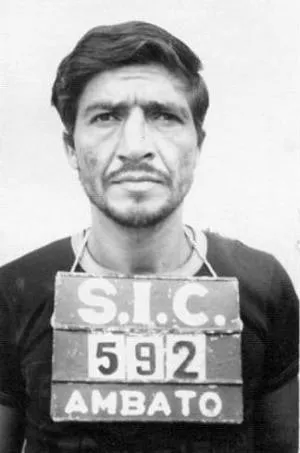
Front and side police photographs of Pedro Alonso López with the number 592 (cropped).
Policejní předloha S.I.C. Ambato / archiv La Vanguardia / © All rights reserved / lavanguardia.com
About this image
- Original title
- pedro-lopez-policejni-dvojportret-ambato-592.jpg
- Author
- Policejní předloha S.I.C. Ambato / archiv La Vanguardia
- Source
- lavanguardia.com
- Licence
- © All rights reserved
- Changes
- resized, converted to AVIF and WebP, metadata removed
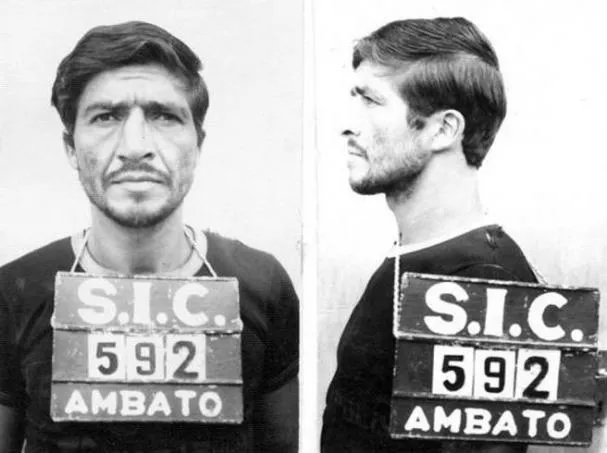
Front and side police photographs of Pedro Alonso López with the number 592.
Policejní předloha S.I.C. Ambato / archiv La Vanguardia / © All rights reserved / lavanguardia.com
About this image
- Original title
- pedro-lopez-vezenska-mriz-ron-laytner.jpg
- Author
- Ron Laytner / Edit International / La Vanguardia
- Source
- lavanguardia.com
- Licence
- © All rights reserved
- Changes
- resized, converted to AVIF and WebP, metadata removed
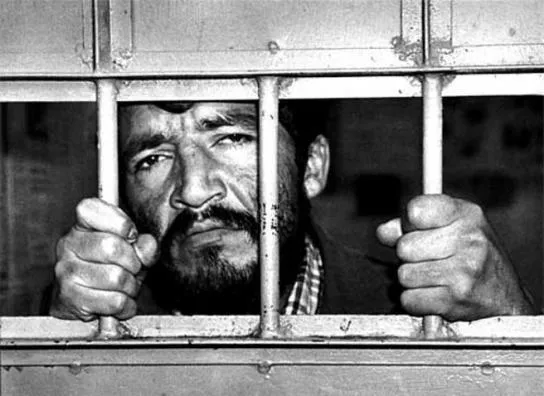
Pedro Alonso López behind bars in the prison in Ambato.
Ron Laytner / Edit International / La Vanguardia / © All rights reserved / lavanguardia.com
About this image
- Original title
- pedro-lopez-vezenska-cela-ron-laytner.jpg
- Author
- Ron Laytner / Edit International / El Tiempo / TN (reprodukce)
- Source
- tn.com.ar
- Licence
- © All rights reserved
- Changes
- resized, converted to AVIF and WebP, metadata removed
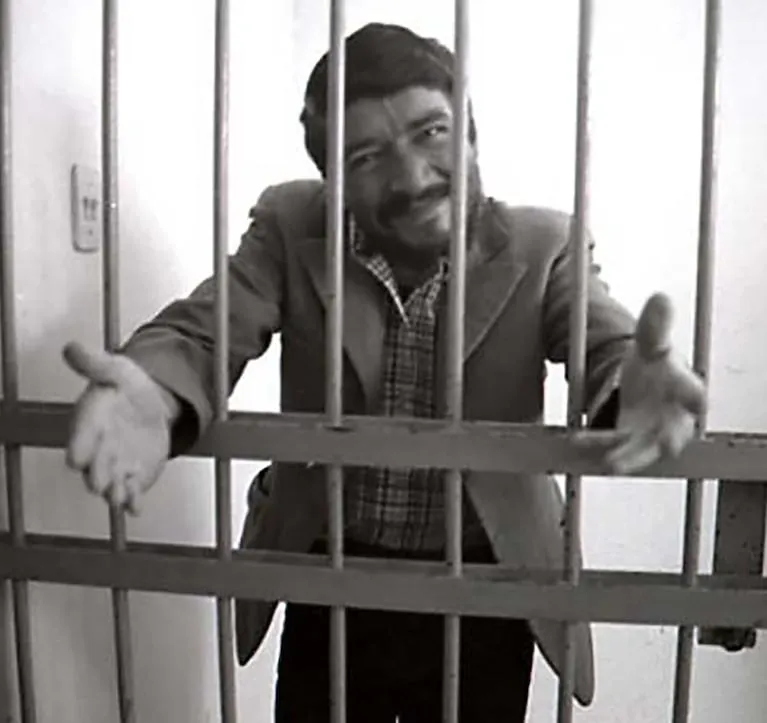
Pedro Alonso López at the door of a prison cell during a photo session by Ron Laytner.
Ron Laytner / Edit International / El Tiempo / TN (reprodukce) / © All rights reserved / tn.com.ar
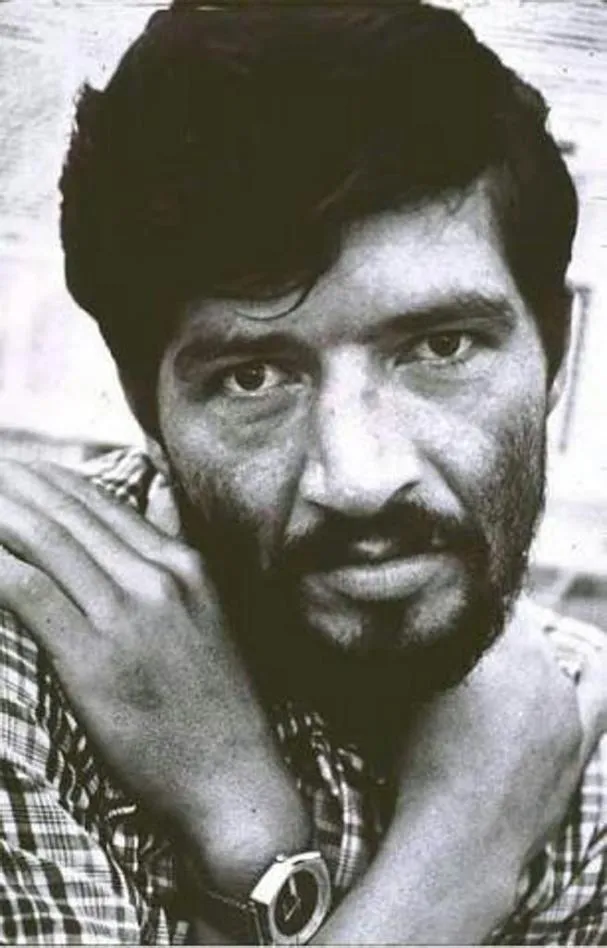
About this image
- Original title
- pedro-lopez-vousaty-portret-na-tmavem-pozadi.jpg
- Author
- AP / La Vanguardia
- Source
- lavanguardia.com
- Licence
- © All rights reserved
- Changes
- resized, converted to AVIF and WebP, metadata removed
Archive black and white portrait of Pedro Alonso López.
AP / La Vanguardia / © All rights reserved / lavanguardia.com
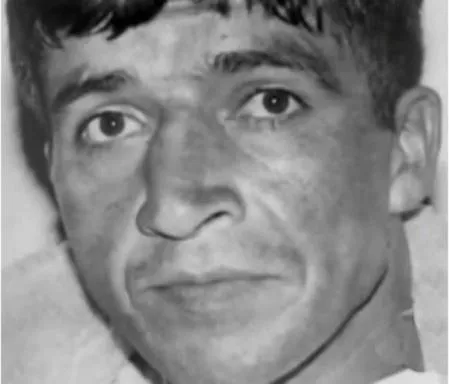
About this image
- Original title
- pedro-lopez-samostatny-cernobily-portret.jpg
- Author
- AP / La Vanguardia
- Source
- lavanguardia.com
- Licence
- © All rights reserved
- Changes
- resized, converted to AVIF and WebP, metadata removed
Pedro Alonso López in an archive portrait photograph published in Spain.
AP / La Vanguardia / © All rights reserved / lavanguardia.com
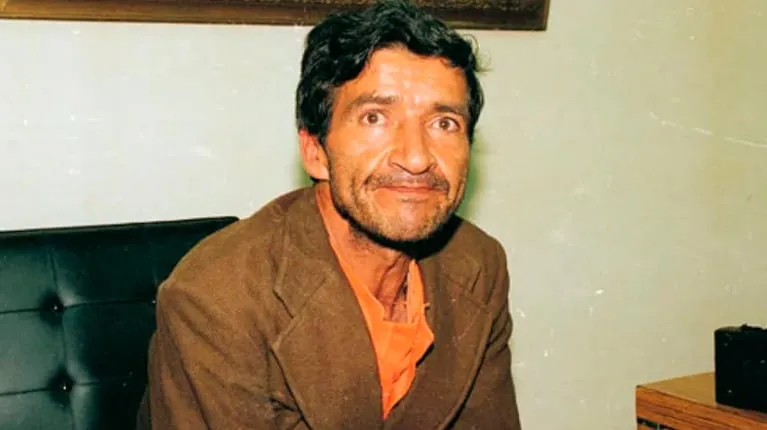
About this image
- Original title
- pedro-lopez-barevny-portret-v-hnedem-saku.jpg
- Author
- La República / TN
- Source
- tn.com.ar
- Licence
- © All rights reserved
- Changes
- resized, converted to AVIF and WebP, metadata removed
Colour archive photograph of Pedro Alonso López in a brown jacket.
La República / TN / © All rights reserved / tn.com.ar
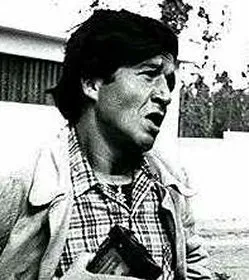
About this image
- Original title
- pedro-lopez-profil-v-kostkovane-kosili.jpg
- Author
- Murderpedia (reprodukce)
- Source
- murderpedia.org
- Licence
- © All rights reserved
- Changes
- resized, converted to AVIF and WebP, metadata removed
Archive black and white side view of Pedro Alonso López.
Murderpedia (reprodukce) / © All rights reserved / murderpedia.org
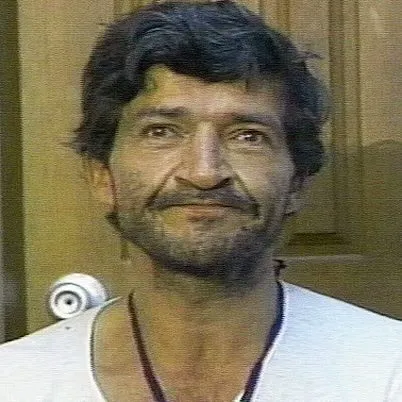
About this image
- Original title
- pedro-lopez-barevny-portret-pri-rozhovoru.jpg
- Author
- True Crime Case Histories (reprodukce)
- Source
- truecrimecasehistories.com
- Licence
- © All rights reserved
- Changes
- resized, converted to AVIF and WebP, metadata removed
Pedro Alonso López in a colour image labelled as a prison interview.
True Crime Case Histories (reprodukce) / © All rights reserved / truecrimecasehistories.com
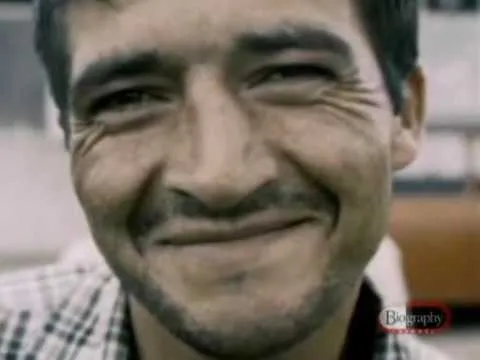
About this image
- Original title
- pedro-lopez-barevny-rozhovor-detail-tvare.jpg
- Author
- Murderpedia (reprodukce)
- Source
- murderpedia.org
- Licence
- © All rights reserved
- Changes
- resized, converted to AVIF and WebP, metadata removed
Colour archive image with a close-up of Pedro Alonso López's face.
Murderpedia (reprodukce) / © All rights reserved / murderpedia.org
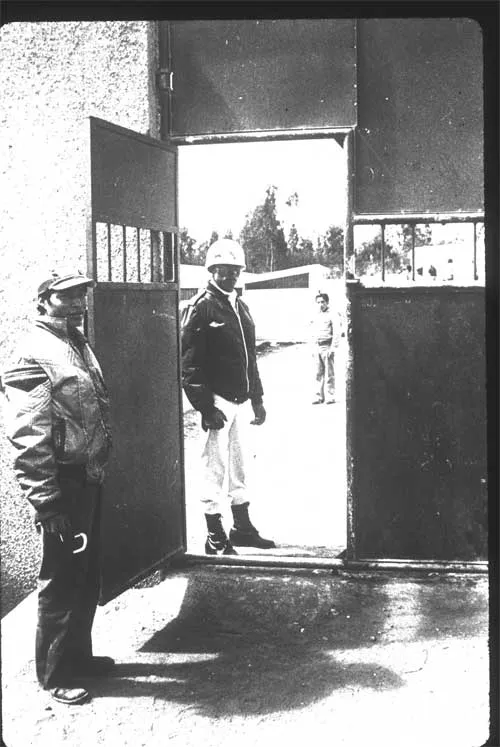
About this image
- Original title
- pedro-lopez-veznice-v-ambatu.jpg
- Author
- Ron Laytner / Edit International / Murderpedia
- Source
- murderpedia.org
- Licence
- © All rights reserved
- Changes
- resized, converted to AVIF and WebP, metadata removed
Contemporary photograph of a prison passage in Ambato, Ecuador.
Ron Laytner / Edit International / Murderpedia / © All rights reserved / murderpedia.org
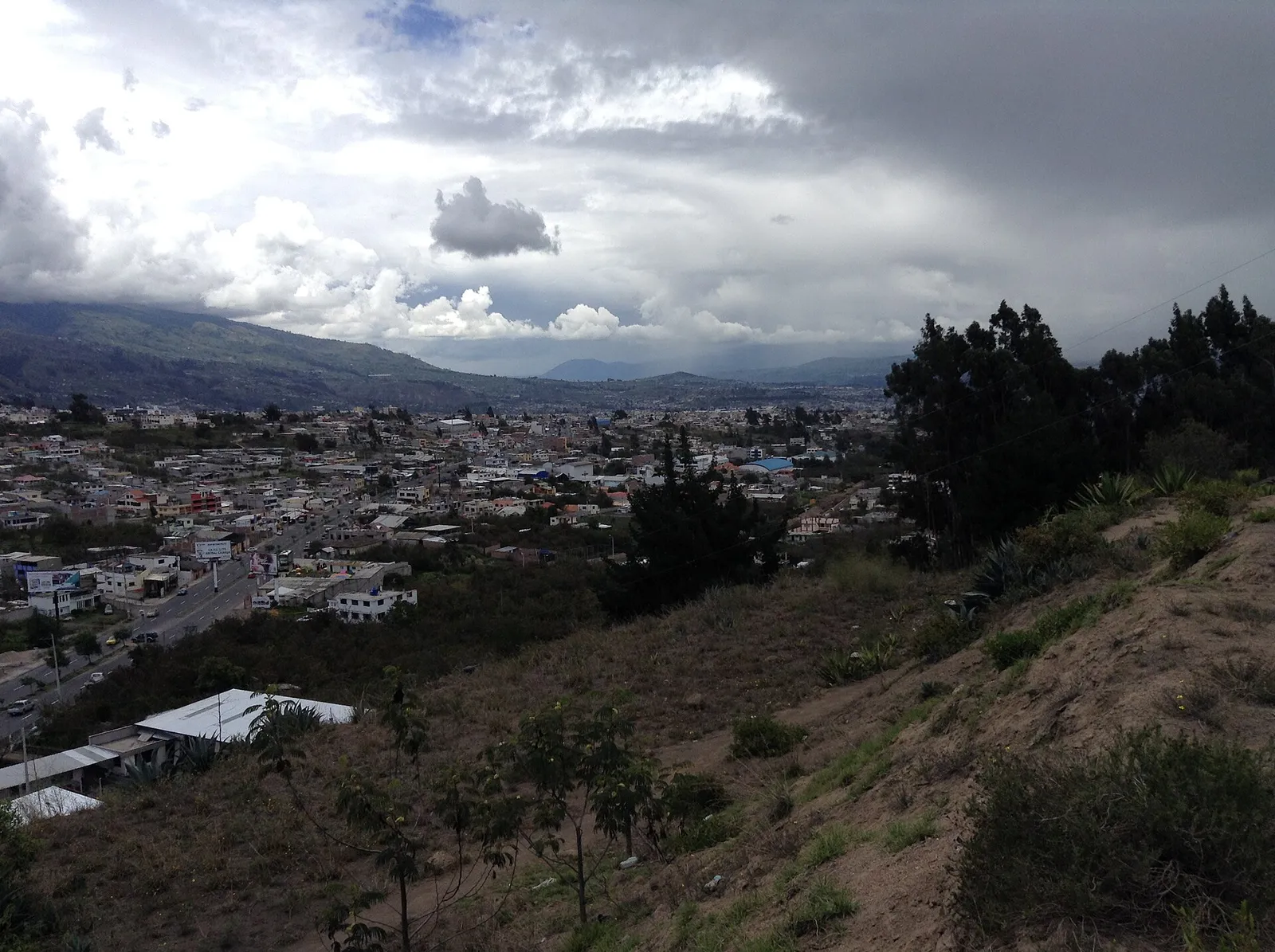
About this image
- Original title
- CIUDAD DE AMBATO - panoramio.jpg
- Author
- DIOHER_PAVAL
- Source
- commons.wikimedia.org
- Licence
- CC BY 3.0
- Changes
- resized, converted to AVIF and WebP, metadata removed
View of Ambato, Ecuador, in 2016.
DIOHER_PAVAL / CC BY 3.0 / commons.wikimedia.org
14 / 16 / Open questions
What is still missing
- How many victims in Ecuador were identified by name and what exactly the indictment contained. Neither the Ecuadorian judgment nor the contemporary press of 1980 could be traced.
- Who the judge was and exactly when the verdict was handed down: Biography.com and Casefile give 31 Jul 1981, other sources 1980.
- How long he was imprisoned in Colombia after 1969: seven years plus two more, or only two years.
- Whether he is alive and what the 2005 record of fingerprinting of a dead person is based on.
- When Interpol launched the search (1998 or 2002) and whether it is still in force.
- Whether the murders in Peru really happened or are only his boasting; an official Peruvian source is lacking.
- When Ivanova Jácome Garzón disappeared: 10 Jan or 14 Feb 1980.
- Place of birth (Santa Isabel, Venadillo, El Espinal, Ipiales), number of fellow inmates killed (2 or 3) and the sentence in Ecuador (15, 16 or 30 years).
15 / 16 / Citations
Sources
A number in square brackets next to a claim refers to an item in this list. A claim without a number has no source assigned yet. Details may vary between sources; disputed and theoretical items are marked.
38Sources in total
- Primary0
- Secondary4
- Media34
Checked: 17 Nov 2026. Research in one round, 38 sources read: Colombian and Ecuadorian press (El Tiempo 1994 to 2021, Semana, El Telégrafo, El Universo, El Comercio, Extra), AFP 1994, CBS/AP 2001, BBC 1999, Biography.com, the Casefile podcast and book catalogues. Many newer texts take over El Tiempo or La Vanguardia (Infobae, La FM, Minuto30, El Comercio Perú, BioBioChile, Trome); such pairs do not count as two independent sources. Wikipedia served only as a guide and is not among the sources. A 1999 New York Times article is left out, as the research loaded only a preview with no mention of López; the figure of 57 convictions rests on CBS/AP, Biography.com and Casefile. Details from a single source are marked in the text or left out. Names are in the Spanish original. The list of victims contains only two victims named by two sources, the others are described in the text. Code CO-1969-PL: Colombia as the country of origin according to the case card, the year 1969 after the first documented killing (fellow inmates in Bogotá), although most of the murders took place in Ecuador. Before publication, check against the Ecuadorian judgment (Ambato), the Colombian file from El Espinal and the Interpol notice; none of these could be loaded.
- [1]El Tiempo (AFP, 12 Mar 1994), QUEDARÍA LIBRE EL MONSTRUO DE LOS ANDES. eltiempo.com / cited 15×media
- [2]El Tiempo (6 Sep 1994), PEDRO ALONSO LÓPEZ FUE TRASLADADO AYER AL ESPINAL. eltiempo.com / cited 5×media
- [3]El Tiempo (8 Sep 1994), ACUSARON DE OTRA MUERTE AL MONSTRUO DE LOS ANDES. eltiempo.com / cited 6×media
- [4]El Tiempo (15 Nov 1994), TERMINÓ HISTORIA DE TERROR EN ECUADOR. eltiempo.com / cited 11×media
- [5]El Tiempo (17 Jun 1998), MONSTRUO DE LOS ANDES SIEMBRA PÁNICO EN NORTE DE ECUADOR. eltiempo.com / cited 2×media
- [6]El Tiempo (Andrés Rivera Mejía, 9 Jun 2012), Delitos sexuales, ¿crimen sin castigo? eltiempo.com / cited 12×media
- [7]El Tiempo (Andrés Marín, 13 Nov 2018, updated 2021), Pedro Alonso López: el misterio por paradero del peor asesino en serie. eltiempo.com / cited 27×media
- [8]Semana (5 May 2002), Se busca, Edición 1044, Sección Nación - Semana. semana.com / cited 15×media
16 / 16 / Revision history
Revision history
Every edit to this page is logged. Corrections sent in by readers are applied only after the editors check them against sources.
- Published
- Updated
- Edits
- 1
- Page published