01
Content warningReal violent crimes; victims are named. Help: findahelpline.com. More
This page describes real violent crimes and names the victims. Victims come first; we leave out details that serve only sensationalism. Help: free helplines in your country at findahelpline.com; in an emergency call 112 (EU) or 911 (US).
Robert Pickton
Robert William Pickton, born 1949, grew up in Port Coquitlam (British Columbia)
A pig farmer from Port Coquitlam near Vancouver, convicted of the murders of six women from the impoverished Downtown Eastside neighbourhood. He was charged with the murders of 26 women who disappeared between 1995 and 2001, and the remains or DNA of 33 women were found on his farm. The victims were drug-addicted women who made their living through prostitution, many of them Indigenous. He lured them with money or drugs to the farm, where he killed them and cut them up in the slaughterhouse. Police received tips from 1998, but he was not arrested until February 2002, after a search for illegal firearms. In December 2007 a jury found him guilty of six counts of second-degree murder. Prosecutors stayed the remaining 20 charges in 2010. In May 2024 he died after being assaulted by a fellow inmate.
- 6
- counts of second-degree murder of which he was convicted in 2007● Fact
- 26
- women whose murders he was charged with; 20 charges were stayed● Fact
- 33
- women whose remains or DNA were found on the farm● Fact
- 49
- murders he admitted to an undercover officer in his cell; this is not proven◐ Disputed
4Fact
8Disputed
0Theory
91 of 91claims have a source
43sources, 8 of them primary
02 / 16 / Timeline
From birth to the conviction of his killer
Events: 62 / 1949–2025
- 01
Life
1949–91 - 02
Crimes
1991–95 - 03
Life
1996 - 04
Crimes
1996–97 - 05
Investigation, trial and aftermath
1997 - 06
Crimes
1997 - 07
Investigation, trial and aftermath
1998 - 08
Crimes
1999 - 09
Investigation, trial and aftermath
1999–00 - 10
Life
2000 - 11
Investigation, trial and aftermath
2001 - 12
Crimes
2001 - 13
Investigation, trial and aftermath
2001–25
03 / 16 / Victims first
Named victims
Named victims: 6 / Survivors: 1
The list contains the six women for whose murders Pickton was convicted of second-degree murder in 2007. All lived in the Downtown Eastside, and their remains or DNA were found on the farm in Port Coquitlam. The exact date of death is not known; we give the date they were last seen, according to the report of the commission of inquiry and The Canadian Press. Brenda Ann Wolfe was not reported missing until more than a year later and her date of birth is given by only one source, so we do not give her age. For Andrea Joesbury the age does not match across sources (the commission gives 23, her dates of birth and disappearance give 22), so we do not give it. He was charged with the murders of 20 more women, but the charges were stayed, and the DNA of six more women and one unidentified woman was found without charges. These are listed in the Unconfirmed section.
Showing 6 of 6
- Marnie Lee FreyDowntown Eastside, Vancouver; remains on the farm in Port Coquitlam, Metro Vancouver (British Columbia)30 Aug 1997 (last seen, reported missing 29 Dec 1997)age 24
- Brenda Ann WolfeDowntown Eastside, Vancouver; remains on the farm in Port Coquitlam, Metro Vancouver (British Columbia)February 1999 (last seen, reported missing 25 Apr 2000)age unknown
- Georgina Faith PapinDowntown Eastside, Vancouver; remains on the farm in Port Coquitlam, Metro Vancouver (British Columbia)2 Mar 1999 (last seen, reported missing 26 Feb 2001)age 34
- Andrea JoesburyDowntown Eastside, Vancouver; remains on the farm in Port Coquitlam, Metro Vancouver (British Columbia)5 Jun 2001 (last seen, reported missing 8 Jun 2001)age unknown
- Sereena AbotswayDowntown Eastside, Vancouver; remains on the farm in Port Coquitlam, Metro Vancouver (British Columbia)1 Aug 2001 (last seen, reported missing 22 Aug 2001)age 29
- Mona Lee WilsonDowntown Eastside, Vancouver; remains in the slaughterhouse of the farm in Port Coquitlam, Metro Vancouver (British Columbia)23 Nov 2001 (last seen, reported missing 30 Nov 2001)age 26
By location
Metro Vancouver (British Columbia)6
Victim profile
12 and under0
13–170
18–241
25 and over3
Women and girls: 6 / Men and boys: 0 (of 6 named)
Survivors
- “Ms. Anderson” (pseudonym)A woman from the Downtown Eastside whom he drove to the farm for 100 dollars late in the evening of 22 Mar 1997. In the trailer he put a handcuff on her and stabbed her in the abdomen with a knife; he was injured too. She escaped and was rescued by a passing couple. Pickton was charged with attempted murder, but prosecutors stayed the charges on 26 Jan 1998. Her real name is protected by a court publication ban, and the commission of inquiry uses a pseudonym. We do not give her name
Unconfirmed
He was charged with the murders of 20 more women, but on 4 Aug 2010 prosecutors entered a stay of proceedings. They are Diana Melnick, Tanya Marlo Holyk, Sherry Leigh Irving, Cara Louise Ellis, Andrea Fay Borhaven, Helen Mae Hallmark, Cynthia (Cindy) Feliks, Kerry Lynn Koski, Inga Monique Hall, Sarah Jean de Vries, Angela Rebecca Jardine, Jacquelene McDonell, Wendy Crawford, Jennifer Lynn Furminger, Tiffany Louise Drew, Debra Lynne Jones, Patricia Rose Johnson, Heather Gabrielle Chinnock, Heather Kathleen Bottomley and Dianne Rosemary Rock. They disappeared between 1995 and 2001; for several of them the dates of last sighting and of birth differ between the commission’s report and The Canadian Press. In 2006 the court quashed the charge of murdering an unidentified woman (Jane Doe) who died before 23 Feb 1995. The DNA of six more women was found on the farm without charges: Nancy Clark (disappeared in Victoria on 22 Aug 1991), Stephanie Lane (January 1997), Jacqueline Murdock (1997), Dawn Teresa Crey (November 2000), Sharon Abraham (2000) and Yvonne Marie Boen (March 2001). He told an undercover officer in his cell that he had killed 49 women; the defence called this bragging. After his death former commissioner Wally Oppal told CBC that there were at least 49 victims, probably close to 100; this is an estimate. That in 1999 he was also suspected of a 1985 murder in Coquitlam is stated only by the commission’s report.
04 / 16 / Offender’s pattern
What recurred
Pickton left no messages or signatures. His pattern consists of choosing women police were not looking for, driving them to the farm, restraining them and disposing of the bodies in the slaughterhouse. Each item states whether it is a documented fact, a disputed point or a theory.
Traits: 6
02
Money or drugs for the ride
● Fact03
Handcuffs
● Fact04
Manner of killing
◐ DisputedAccording to the prosecution he shot the women. For three victims both sides accepted that they died from a gunshot to the head, and a weapon of the matching calibre was found in the trailer’s laundry room. The witness Andrew Bellwood testified that he restrained them and strangled them with a wire. [1] [37]
The Supreme Court stated that it was not clear for all six that they died from a gunshot to the head.
05
Slaughterhouse
● Fact06
Remains on the farm
◐ DisputedThe heads, hands and feet of three victims were found in buckets in the workshop freezer, further remains in a waste bin by the slaughterhouse. He told both the undercover officer and Bellwood that he took remains to the rendering plant. [1] [9] [29]
That he fed remains to the pigs was said by the witness Bellwood according to AP; the Supreme Court speaks of the rendering plant. The DNA of two women was found in ground meat in the freezer, according to The Globe and Mail.
05 / 16 / Modus operandi
How the behaviour evolved
Phases: 3
1949-1995
Before the murders
Childhood and life on the family pig farm in Port Coquitlam, where he ran a pig slaughterhouse.
- 1949: born
- pig slaughtering on the family property
- trips to the rendering plant near the Downtown Eastside
- 1991: the DNA of a woman who disappeared that year was later found on the farm
1995-2001 / Vancouver and Port Coquitlam
Murders
Women were disappearing from the Downtown Eastside; he was later charged with the murders of 26 of them. In 1997 a woman survived an attack and escaped from the farm. Police had tips from 1998 but did not follow the case through.
- 27 Dec 1995: Diana Melnick disappeared
- March 1997: attack on a woman on the farm
- 1998: charges stayed, first tips to police
- 2000: interview, consent to a search not used
- 23 Nov 2001: Mona Lee Wilson disappeared
From February 2002
Capture, trial, death
A search for firearms led to his arrest and to the largest crime scene search in Canada. The trial proceeded on six counts; the rest were stayed.
- 5 Feb 2002: search of the farm
- 22 Feb 2002: arrest
- 9 Dec 2007: guilty of six murders
- 4 Aug 2010: 20 charges stayed
- 31 May 2024: death after an assault in prison
06 / 16 / Crime scenes
Where and in what order
Places: 4
map of crime scenes (points by date and place) / add from coordinates
- 01Family farm, Port Coquitlam1949-2002
- 02Remand in British Columbia2002-2010
- 03Kent Institution, British Columbia2010-2018
- 04Port-Cartier Institution, Quebec2018-2024
07 / 16 / Investigation
How he was caught
Steps: 8
01 / 1997
An attack without punishment
The RCMP in Coquitlam investigated the attack on a woman on the farm and charged Pickton with attempted murder. Corporal Connor sent a warning to police forces. The charges were stayed in January 1998. [6] [13] [17]
02 / 1998
Tips and warnings
Bill Hiscox alerted the police to Pickton. Profiler Kim Rossmo warned of a serial killer; VPD management rejected this. [4] [13] [21] [25]
03 / 1999
Witness and surveillance
Police received more tips and kept Pickton under surveillance. After Connor was transferred, work on the file almost stopped. [4] [6] [21]
04 / 19 Jan 2000
Interview without a plan
During the interview Pickton offered consent to a search of the farm. The RCMP did not use it. [4] [21]
05 / 2001
Project Evenhanded
The RCMP and VPD set up a joint task force and went through thousands of files on missing women. They listed Pickton among the persons of interest. [1] [4] [6] [13]
06 / 5 Feb 2002
Chance breakthrough
A search for illegal firearms, unrelated to the hunt for the women, uncovered their belongings. Police obtained a new warrant and sealed off the farm. [2] [4] [13] [20]
What went wrong
- The stayed 1997 caseProsecutors stayed the charges over the 1997 attack without trying to prepare the vulnerable witness for trial. Nor did they revive the prosecution within the one-year time limit. According to The Globe and Mail, police were at that time close to a certain conviction.
- A warning rejectedIn 1998 VPD management rejected profiler Kim Rossmo’s warning of a serial killer, and the police publicly denied that a serial killer existed.
- Two police forces, no caseThe VPD and the RCMP in Coquitlam investigated in parallel and did not know whose case it was. According to the VPD internal report, the 2000 interview was conducted by people without experience and without a plan.
- Treatment of the familiesThe commission described demeaning and insensitive treatment of the families who reported the disappearances, and a total of seven kinds of police failure, from taking reports to coordination.
Impact on forensics and law
- The Forsaken reportIn 2012 the commission of inquiry made 63 recommendations, including a regional police force for the Vancouver area, funding for crisis centres and compensation for the victims’ children.
- Searching for missing personsThe VPD set up a permanent Missing Persons Unit, investigates reports without delay and keeps a file open until the person is found. According to CBC, British Columbia introduced search standards that take into account the higher risk faced by Indigenous women.
- Indigenous womenAccording to The Canadian Encyclopedia, the case contributed to the national inquiry into missing and murdered Indigenous women, which began in 2016.
08 / 16 / People in the case
Witnesses, investigators, relatives
People: 16
VPD investigator
Lori Shenher
In the Missing Persons Unit of the Vancouver Police from July 1998. In 2015 she published a book about the failures of the investigation.
VPD profiler
Kim Rossmo
Geographic profiler, warned of a serial killer in 1998. VPD management rejected his analysis.
RCMP investigator
Mike Connor
RCMP corporal in Coquitlam, investigated the 1997 attack and ran the Pickton file until August 1999.
RCMP investigators
Ruth Yurkiw, John Cater
Interviewed Pickton on 19 Jan 2000. They did not take up his offer of consent to a search of the farm.
RCMP constable
Nathan Wells
Obtained the warrant to search the farm for illegal firearms that led to the arrest.
Task force commander
Don Adam
Commander of the joint RCMP and VPD operation Project Evenhanded from 2001 to 2004.
Accomplices: not established by any court. The prosecution argued that he killed alone. The Supreme Court of Canada, however, stated that the evidence does not exclude the involvement of other persons. The defence argued that the murders were committed by other people around the farm. In his cell he called himself the “head honcho”. That three other people were arrested and none of them was charged is stated only by the CBC timeline. Civil suits by the bereaved were directed against both brothers, according only to The Canadian Press.
09 / 16 / Trial and sentence
From stayed charges to the Supreme Court
Proceedings: 9
1997-1998 / Provincial Court
Attack on a woman on the farm
Charges of attempted murder, assault with a weapon, unlawful confinement and aggravated assault. The trial was due to begin in February 1998; prosecutors stayed the proceedings beforehand. [6] [17]
Stayed 26 Jan 1998
January to July 2003 / Port Coquitlam
Preliminary inquiry
The Provincial Court considered whether the evidence was sufficient for trial. It committed the case for trial on 15 counts. [12] [13] [20]
15 counts committed for trial
2006 / New Westminster
Hearing on evidence
Sitting without a jury, Justice Williams admitted the cell recordings, quashed the Jane Doe count and on 9 Aug 2006 severed six counts from twenty. [1] [2] [12] [18]
6 counts to trial
22 Jan to 9 Dec 2007 / New Westminster
Jury trial
Indictment on six counts of first-degree murder. The prosecution called 98 witnesses, the defence 30. The jury acquitted him of first-degree murder and found him guilty of six counts of second-degree murder. [1] [9] [12] [13]
6 counts of second-degree murder
11 Dec 2007 / New Westminster
Sentence
Prosecutors asked for 25 years without parole, the defence for 15 to 20. The judge imposed six concurrent life sentences with the maximum possible period. [8] [9] [10] [11]
Life, 25 years without parole
25 Jun 2009 / Court of Appeal for British Columbia
Appeal
The court dismissed his appeal by 2 to 1. It allowed the prosecution’s appeal against the severance of the indictment and ordered a trial on 26 counts, postponed pending the Supreme Court’s decision. [1] [9]
Dismissed 2 to 1
30 Jul 2010 / Supreme Court of Canada
Final decision
The court unanimously dismissed the appeal, but the judges split 6 to 3 on the reasons. [1] [37]
Dismissed
4 Aug 2010 / New Westminster
The remaining 20 charges
Prosecutors stayed the proceedings. Justice Williams said: “Those proceedings are stayed.” [9] [17]
Stayed
25 Sep 2025 / Sept-Îles, Quebec
Trial of the attacker
Martin Charest pleaded guilty to the murder of Pickton. [32] [34] [36]
Life, 25 years without parole
Prison
Until 2010 he was on remand in British Columbia, then in the maximum-security Kent Institution. In June 2018 he was transferred to Port-Cartier Institution in Quebec. From February 2024 he could apply for day parole; no hearing took place.
Death
On 19 May 2024 fellow inmate Martin Charest attacked him with a broken broom handle. He died on 31 May 2024 in hospital in Québec at the age of 74; the cause was multiple blunt force injuries. No source gives the place of burial.
The attacker
Charest was charged with first-degree murder in July 2025; in September 2025 he pleaded guilty and received life imprisonment with 25 years without eligibility for parole.
Families
The victims’ bereaved relatives are alive. We do not give their current place of residence or employment.
10 / 16 / Psychology and myths
What is documented and what is not
Items: 6 / each labelled Fact, Disputed or Theory
He fed remains to the pigs and sold human meat
◐ DisputedThat he fed remains to the pigs was said by the witness Bellwood according to AP; the Supreme Court refers to the rendering plant. In 2004 the health authority merely did not rule out human remains in the meat. The DNA of two women was found in ground meat in the freezer. [1] [18] [20] [29]
He killed 49 women
◐ DisputedThe number comes from a conversation with an undercover officer in his cell; the defence called it bragging. Six murders are proven; DNA or remains were found for 33 women. [1] [3] [15]
He acted alone
◐ DisputedThe prosecution argued for a single perpetrator. The Supreme Court stated that the evidence does not exclude the involvement of other persons, and he called himself the head honcho. [1] [37]
Police caught him through their investigation
◐ DisputedThe arrest resulted from a search for illegal firearms, unrelated to the hunt for the missing women. [4] [13] [38]
He was a simple-minded farmer
◐ DisputedThe defence stressed his low verbal intelligence. Prosecutor Petrie described him as a cunning negotiator, and a defence expert found above-average reasoning. [1] [9]
He died in prison
◐ DisputedHe was attacked in prison but died in hospital in Québec. The date of the attack, 19 May 2024, is given by the Correctional Service; The Globe and Mail writes 21 May. [8] [20] [31]
11 / 16 / Comparison
Related cases
1972-1978 / USA
John Wayne Gacy
33 victims / Executed 1994
In common
Both hid their victims on their own property, and the number of victims emerged only during an extensive search of the site.
Difference
Gacy was convicted of 33 murders of young men and executed. Pickton killed women from the Downtown Eastside, was convicted of six and died after an assault in prison.
1974-1978 / USA
Ted Bundy
30 confessed murders / Executed 1989
In common
Both killed young women, and in both cases the true number of victims rests mainly on their own claims.
Difference
Bundy acted in several US states and was executed. Pickton chose women on the margins of society in one neighbourhood and destroyed the bodies on the farm.
12 / 16 / Books and films
Treatments of the case
The label is an editorial rating: Recommended means a balanced treatment with verifiable sources; With caution means the work gives the perpetrator a platform or opts for a simplified version.
Book / 2003Recommended
Missing Sarah: A Memoir of Loss
Maggie de Vries about her sister Sarah, one of the women on the indictment.
Book / 2010Recommended
On the Farm
Stevie Cameron, an investigative book about Pickton and the missing women of Vancouver.
Book / 2015Recommended
That Lonely Section of Hell
Memoir by investigator Lori Shenher about the failures of the investigation.
Book / 2016Source
Pickton: In His Own Words
Purported autobiography of Pickton, withdrawn from sale after public outrage.
13 / 16 Photos and documents
Photos and documents6
Photos and documents from readers. We publish them after review; you see your own uploads straight away, marked Pending review.
About this image
- Original title
- robert-pickton-soudni-kresba-profil.jpg
- Author
- Felicity Don / AFP
- Source
- afpbb.com
- Licence
- © All rights reserved
- Changes
- resized, converted to AVIF and WebP, metadata removed
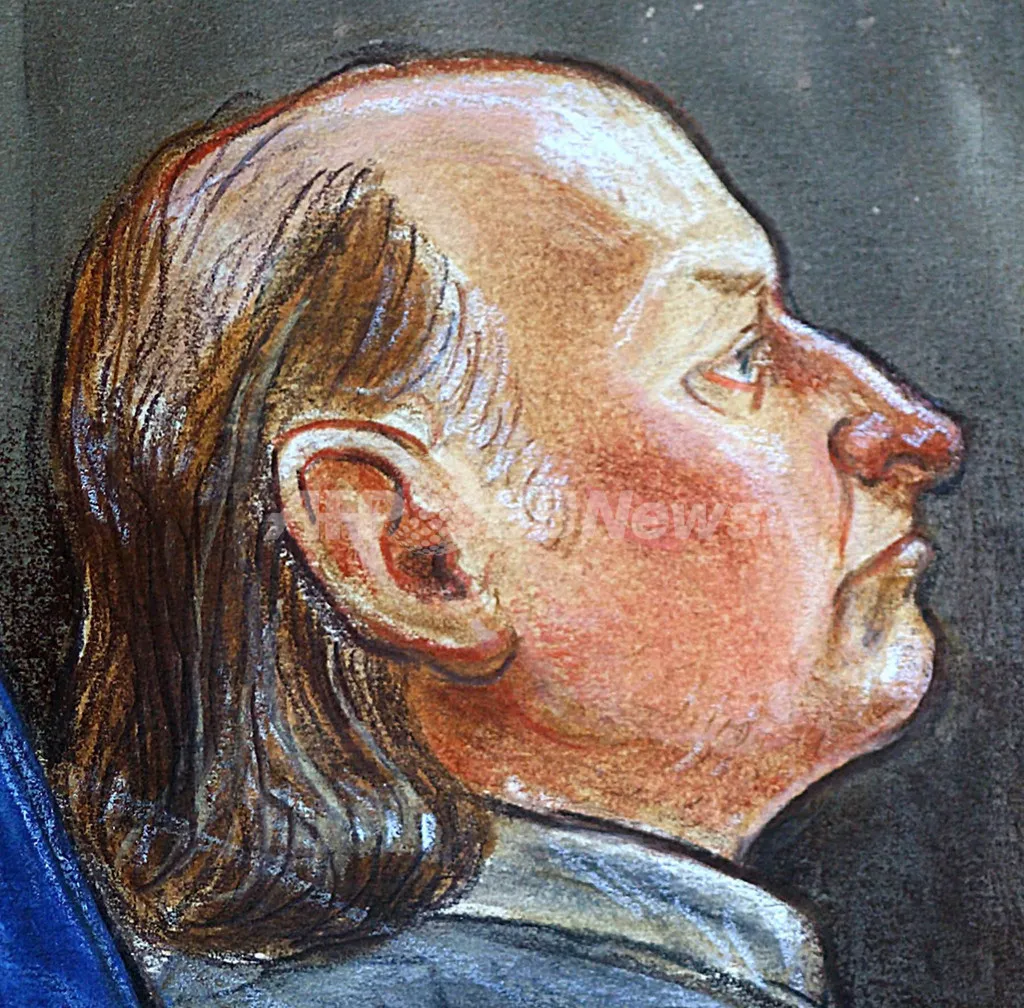
Robert Pickton in profile in a court drawing by Felicity Don published in 2007.
Felicity Don / AFP / © All rights reserved / afpbb.com
About this image
- Original title
- robert-pickton-televizni-portret-bctv.jpg
- Author
- BCTV News / AFP
- Source
- afpbb.com
- Licence
- © All rights reserved
- Changes
- resized, converted to AVIF and WebP, metadata removed
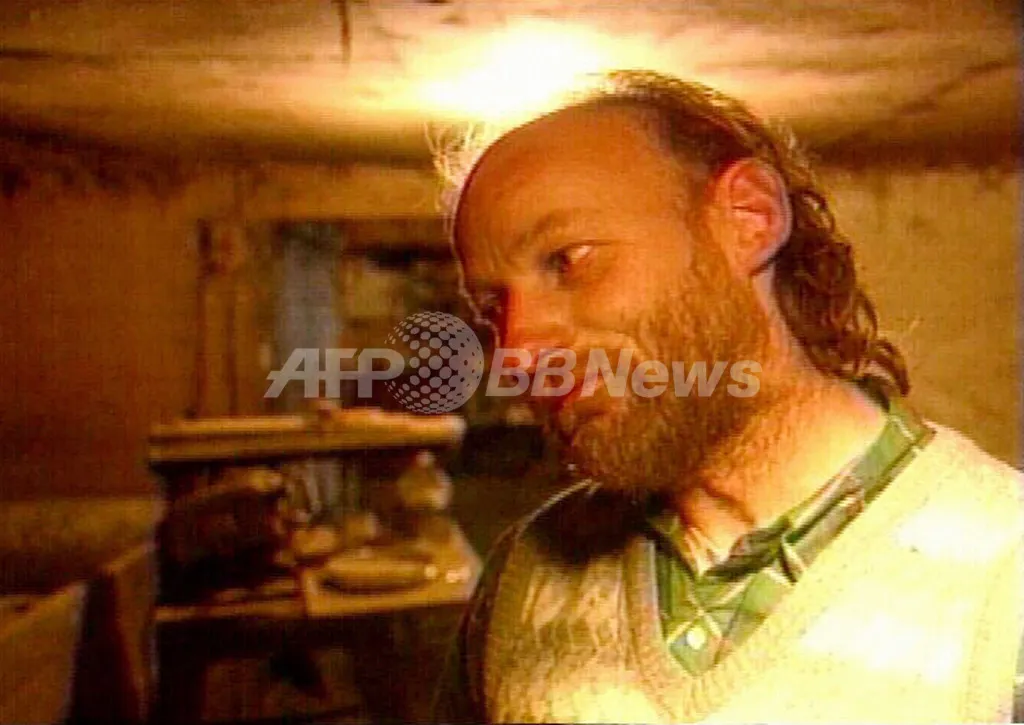
Robert Pickton in archive television footage from BCTV.
BCTV News / AFP / © All rights reserved / afpbb.com
About this image
- Original title
- robert-pickton-soudni-kresba-s-obrazovkou.jpg
- Author
- Felicity Don / AFP
- Source
- afpbb.com
- Licence
- © All rights reserved
- Changes
- resized, converted to AVIF and WebP, metadata removed
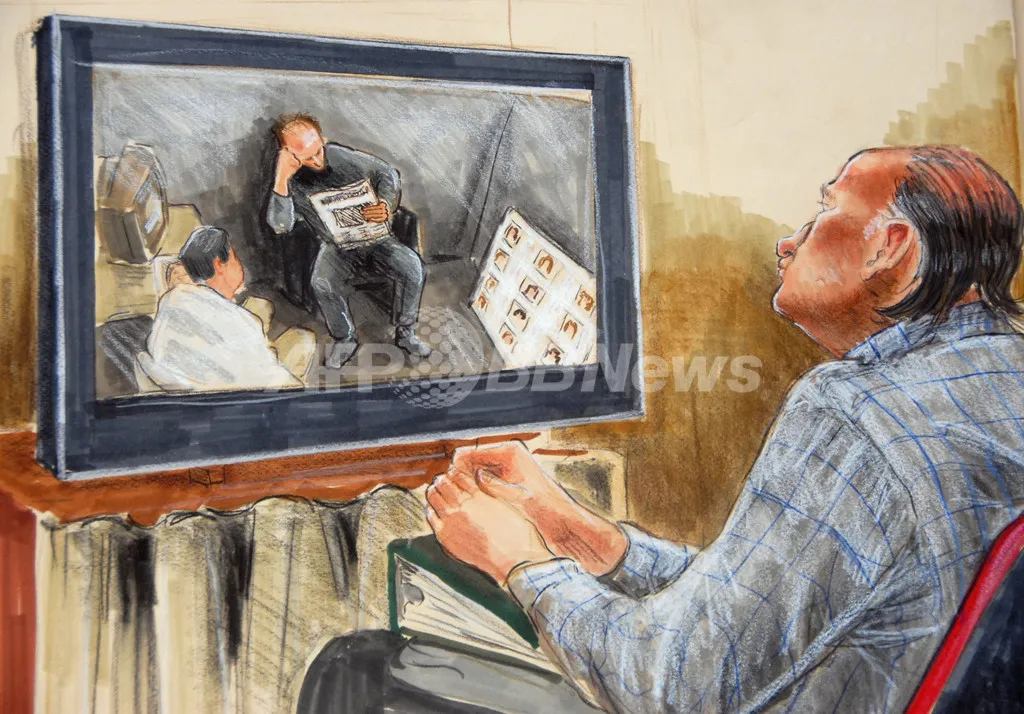
Court drawing from 2007: Robert Pickton as a recording is played on a screen.
Felicity Don / AFP / © All rights reserved / afpbb.com
About this image
- Original title
- robert-pickton-zaznam-z-vazby.jpg
- Author
- Policejní záznam / handout the Canadian Press přes Winnipeg Free Press
- Source
- winnipegfreepress.com
- Licence
- © All rights reserved
- Changes
- resized, converted to AVIF and WebP, metadata removed
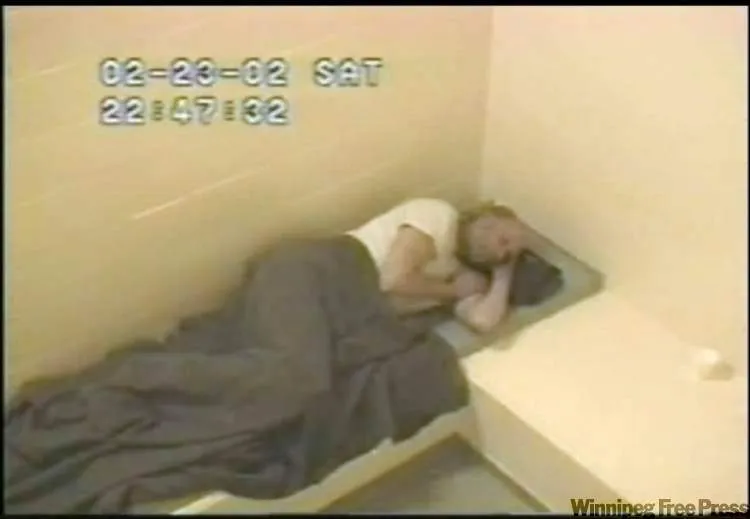
Robert Pickton in a cell, in a news reproduction of custody footage.
Policejní záznam / handout the Canadian Press přes Winnipeg Free Press / © All rights reserved / winnipegfreepress.com
About this image
- Original title
- robert-pickton-vysetrovatele-port-coquitlam-2002.webp
- Author
- Don MacKinnon / Getty Images přes Time
- Source
- time.com
- Licence
- © All rights reserved
- Changes
- resized, converted to AVIF and WebP, metadata removed
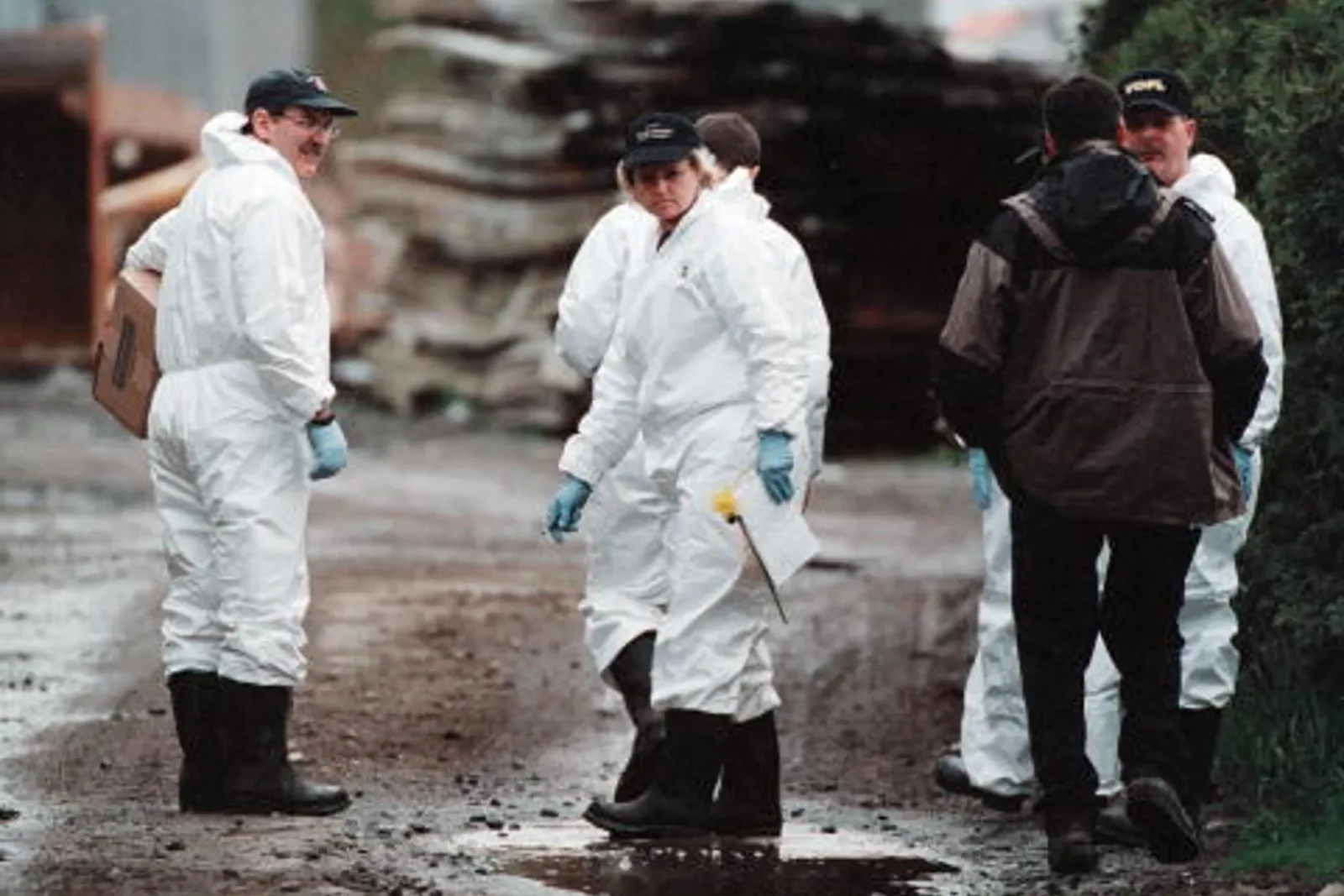
Investigators on the property linked to Robert Pickton in Port Coquitlam, 17 April 2002.
Don MacKinnon / Getty Images přes Time / © All rights reserved / time.com
About this image
- Original title
- robert-pickton-british-columbia-law-courts.jpg
- Author
- Provincial Court of British Columbia, fotograf neuveden
- Source
- provincialcourt.bc.ca
- Licence
- © All rights reserved
- Changes
- resized, converted to AVIF and WebP, metadata removed
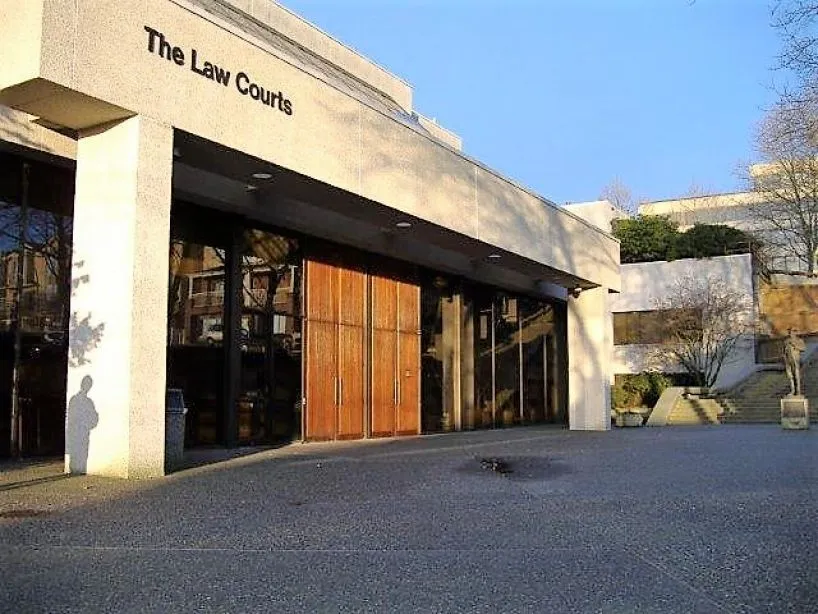
The Law Courts building in New Westminster, where Robert Pickton's trial took place.
Provincial Court of British Columbia, fotograf neuveden / © All rights reserved / provincialcourt.bc.ca
14 / 16 / Open questions
What is still missing
- How many women he actually killed: convicted of 6, charged with 26, DNA of 33 women on the farm, he himself claimed 49. The defence also disputed that DNA on the farm proves murder.
- Who the unidentified woman (Jane Doe) who died before 23 Feb 1995 is.
- The involvement of other persons in the murders and the outcome of the civil suits against both brothers.
- How the three victims for whom no gunshot wound was proven died.
- When he began killing: the DNA of Nancy Clark, who disappeared in 1991, and the suspicion of a 1985 murder point to before 1995.
- Differences between sources: the date of the farm search (5 or 6 Feb 2002), the date of the attack on Pickton (19 or 21 May 2024), the distance and area of the farm, the dates of last sighting and birth for a number of the women.
- The 2009 Court of Appeal judgment, the 2007 reasons for sentence and the 2010 VPD internal report were not available in full during the research.
15 / 16 / Citations
Sources
A number in square brackets next to a claim refers to an item in this list. A claim without a number has no source assigned yet. Details may vary between sources; disputed and theoretical items are marked.
43Sources in total
- Primary8
- Secondary4
- Media31
Checked: 17 Nov 2026. Research in one round, 43 sources read. The backbone is the 2010 judgment of the Supreme Court of Canada, the 2006 ruling of the Supreme Court of British Columbia and the 2012 Forsaken report of the commission of inquiry. Facts have at least two independent sources; the list of 33 women by The Canadian Press, also used by CBC, counts as one source, the second being the commission’s report. Wikipedia serves only as a guide. Details from a single source are marked in the text or omitted. Code CA-1995-RP: Canada, year of the disappearance of the earliest woman on the indictment (Diana Melnick, December 1995), initials Robert Pickton; the DNA of a woman who disappeared in 1991 would move the start earlier, but he was not charged with her murder. The profile contains the six murders of which he was convicted; the other women are in the Unconfirmed section. The real name of the 1997 survivor is protected by a court publication ban; we give only the pseudonym from the commission’s documents. A survivor reported by only one source has been omitted. Unavailable: the 2009 Court of Appeal judgment 2009 BCCA 299, the reasons for sentence of December 2007, the Vancouver Sun. Before publication verify the dates of last sighting for the women on the indictment, the date of the farm search and the date of the attack on Pickton.
- [1]Supreme Court of Canada (R. v. Pickton, 2010 SCC 32, 30 Jul 2010), R. v. Pickton - SCC Cases. decisions.scc-csc.ca / cited 22×primary
- [2]Supreme Court of British Columbia (Justice J. Williams, 8 Mar 2006), 2006 BCSC 383 R. v. Pickton. bccourts.ca / cited 6×primary
- [3]Missing Women Commission of Inquiry (Wally T. Oppal, 19 Nov 2012), Forsaken: The Report of the Missing Women Commission of Inquiry, Volume I: The Women, Their Lives and the Framework of Inquiry. www2.gov.bc.ca / cited 16×primary
- [4]Missing Women Commission of Inquiry (2012), Forsaken, Volume IIA: Nobodies: How and Why We Failed the Missing and Murdered Women. www2.gov.bc.ca / cited 19×primary
- [5]Missing Women Commission of Inquiry (2012), Forsaken, Volume IIB. www2.gov.bc.ca / cited 10×primary
- [6]Missing Women Commission of Inquiry (2012), Forsaken: Executive Summary. www2.gov.bc.ca / cited 12×primary
- [7]Missing Women Commission of Inquiry (2012), Forsaken, Volume III: Gone, but not Forgotten. www2.gov.bc.ca / not cited in the textprimary
- [8]Correctional Service of Canada (31 May 2024), Death of an inmate from Port-Cartier Institution - Canada.ca. canada.ca / cited 5×primary
16 / 16 / Revision history
Revision history
Every edit to this page is logged. Corrections sent in by readers are applied only after the editors check them against sources.
- Published
- Updated
- Edits
- 1
- Page published